less is better
Meet us at K-Beauty Expo · Oct 15–17 ↗
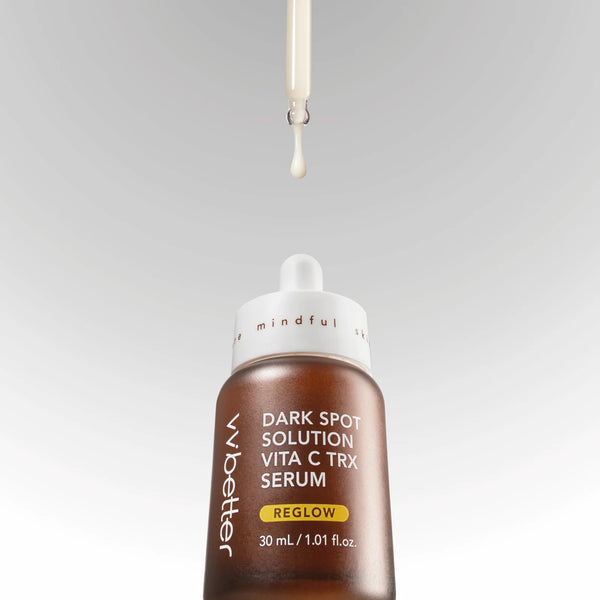
Rich serum spilling over the neck of the Dark Spot Solution Vita C TRX Serum bottle, which carries 3-O-ethyl ascorbic acid, on a white background

Brightening

3-O-Ethyl ascorbic acid

INCI 3-O-Ethyl Ascorbic Acid

Also known as ethyl ascorbic acid · ethyl ascorbyl ether · 3-O-ethyl-L-ascorbic acid · EAA · stable vitamin C derivative

Vitamin C with a protective tweak, so it stays stable in water-based formulas.

3-O-Ethyl ascorbic acid is vitamin C with an ethyl group attached at the 3-position, a small change that makes it far more stable in water, light and air than pure ascorbic acid. It brings vitamin C’s brightening and antioxidant character to formulas that cannot rely on fragile pure vitamin C. VVBETTER uses it in the Dark Spot Solution Vita C TRX Serum and the Teca Lifting Moisture Cream.

What it is

Pure vitamin C, L-ascorbic acid, is an excellent antioxidant with one big weakness: the part of the molecule that makes it so reactive, the hydroxyl group at the 3-position, is also what makes it fall apart in water, light and air. A serum of pure vitamin C can turn yellow, then orange, within weeks of opening.

3-O-Ethyl ascorbic acid (C8H12O6) solves that by capping the 3-position with a small ethyl group. The result is a white crystalline powder that is soluble in both water and, to a degree, oil, and that stays intact at the mild pH of an everyday serum or cream. It was developed in Asia, where stable brightening ingredients are in high demand, and in Korea “ethyl ascorbyl ether” is on the MFDS list of notified brightening ingredients for functional cosmetics.

It is made by chemical synthesis from ascorbic acid, so it contains no animal-derived material.

Benefits for skin

  • Vitamin C that keeps

    Holds up in water-based formulas and after opening, so the product does not discolor or lose its vitamin C character as quickly as pure ascorbic acid.

  • Supports a brighter, more even-looking tone

    Brings vitamin C’s reputation for helping dull, uneven-looking skin look clearer.

  • Antioxidant support

    Helps defend the skin surface against the everyday oxidative stress that contributes to a tired, dull look.

  • Gentler than pure vitamin C

    Does not need the very low pH that pure ascorbic acid serums rely on, so it is less likely to sting.

How it works

Vitamin C supports tone in two ways: as an antioxidant that mops up reactive molecules created by UV and pollution, and by interfering with tyrosinase, the enzyme that pigment cells use to make melanin. 3-O-Ethyl ascorbic acid is designed to keep that vitamin C skeleton intact in the bottle and then act on the skin.

Laboratory research shows that it is better at entering the upper skin layers than many other vitamin C derivatives because it is soluble in both water and oil. How much of it is converted to free ascorbic acid in skin, and how much acts in its ethylated form, is still being studied. What is well established is the practical benefit: a stable vitamin C ingredient that formulators can combine with other actives at a skin-friendly pH.

The amount matters. Serums that are built around this derivative use it at percent levels. In a formula where it appears at a few hundred ppm or less, it is a supporting ingredient that adds vitamin C character to a blend led by other actives.

How to use it

Typical amount: serums that lead with it usually contain it at around 1–2% or more; in multi-active formulas it often appears in much smaller supporting amounts.

When: morning is a natural fit, since antioxidants help most during the day under sunscreen, but it can be used morning and night.

Where in the routine: after toner, as part of a serum or cream, before sunscreen in the morning.

First time: patch-test on the jawline for two nights, then use daily. Give a tone routine at least four weeks.

Pairings

Pairs well with

  • Tranexamic acid

    Tranexamic acid works on the signal that triggers extra pigment while the vitamin C derivative adds antioxidant and tyrosinase-related support.

  • Niacinamide (vitamin B3)

    Compatible at everyday pH; niacinamide limits pigment transfer and supports the barrier.

  • Glutathione

    Another antioxidant; the two are often combined in brightening blends.

  • Broad-spectrum sunscreen

    The essential daytime partner for any brightening routine.

Use with care

  • Several strong actives in one routine

    It is gentle, but layering it with strong exfoliating acids and retinoids at the same time makes irritation more likely. Introduce one product at a time.

Who it suits

Suits most skin types, especially people who want vitamin C’s benefits but find pure ascorbic acid serums sting or oxidize before they finish them. Dull, uneven-looking and post-blemish skin are the typical fit. Go slowly with very reactive skin and add it as part of a single, simple routine.

Good to know

  • Derivative, not pure vitamin C

    It is not L-ascorbic acid. If you are looking specifically for a high-strength pure vitamin C serum, this is a different, gentler category.

  • Read the amount

    A product named after vitamin C can carry very different amounts of it. Check where it sits on the ingredient list and whether an amount is stated.

  • Still pair with sunscreen

    Antioxidants support daytime skin but do not replace sunscreen.

  • Irritation is uncommon

    It is generally well tolerated, but patch-test any new leave-on product, especially on sensitive skin.

IN OUR FORMULAS

In VVBETTER

Where you will find it, how much the product record states, and what it works with in that formula.

Amount 100 ppm (0.01%)

The only form of vitamin C in Vita C TRX. It is a supporting ingredient at 100 ppm; the serum’s main active is 3% tranexamic acid, chosen because it is more stable than pure vitamin C.

Works with, in this formula

  • GlutathioneWith glutathione and sea buckthorn fruit extract, it makes up the serum’s antioxidant tone-support trio for dull, uneven-looking skin.
  • Tranexamic acidTranexamic acid 3% leads the dark-spot work; the vitamin C derivative adds a second, antioxidant route without any oxidation in the bottle.
  • Sea buckthorn water and fruit extractThe 72% sea buckthorn water base and fruit extract round out the brightening, revitalizing side of the formula.

How to use it 2–3 drops morning and night after toner; in the morning, finish with sunscreen.

View product

The cream’s vitamin C derivative, for tone that looks dull or uneven. The cream is not registered as a functional cosmetic, so no registered brightening claim is made.

Works with, in this formula

How to use it A pea-sized scoop over face and neck after serum, morning and evening.

View product

Questions people ask

Is ethyl ascorbic acid as good as pure vitamin C?

It is different rather than simply better or worse. Pure L-ascorbic acid is the most studied form but oxidizes quickly and often needs a low, stinging pH; 3-O-ethyl ascorbic acid is far more stable and gentler, with a smaller research base. Many people get more use from a stable derivative they can tolerate every day.

Does Vita C TRX Serum contain pure vitamin C?

No. VVBETTER Dark Spot Solution Vita C TRX Serum contains vitamin C only as 3-O-ethyl ascorbic acid at 100 ppm. Its main active is 3% tranexamic acid, and its 72% base is sea buckthorn fruit water, not vitamin C.

Will a serum with ethyl ascorbic acid turn orange?

It is much less likely to than a pure vitamin C serum, because the protective ethyl group keeps the molecule stable. Store any serum away from direct sunlight and use it within its period after opening.

Can I use ethyl ascorbic acid with niacinamide?

Yes. They are compatible at normal skincare pH, and VVBETTER combines them in both Vita C TRX and the Teca Lifting Moisture Cream.

Is ethyl ascorbic acid a functional ingredient in Korea?

Yes, ethyl ascorbyl ether is on the Korean MFDS list of notified brightening ingredients. A product only carries a functional claim if it is registered for it; Vita C TRX’s registered brightening ingredients are niacinamide and (-)-alpha-bisabolol.

References

  1. PubChem: 3-O-Ethyl-L-ascorbic acid (CID 150736)
  2. Iliopoulos F et al. 3-O-ethyl-l-ascorbic acid: characterisation and investigation of single solvent systems for delivery to the skin. Int J Pharm X, 2019
  3. Pullar JM et al. The roles of vitamin C in skin health. Nutrients, 2017

General cosmetic information, not medical advice. Amounts come from VVBETTER product records; where a record names an ingredient without an amount, none is shown. 1% is 10,000 ppm.