
Featured article
Featured article
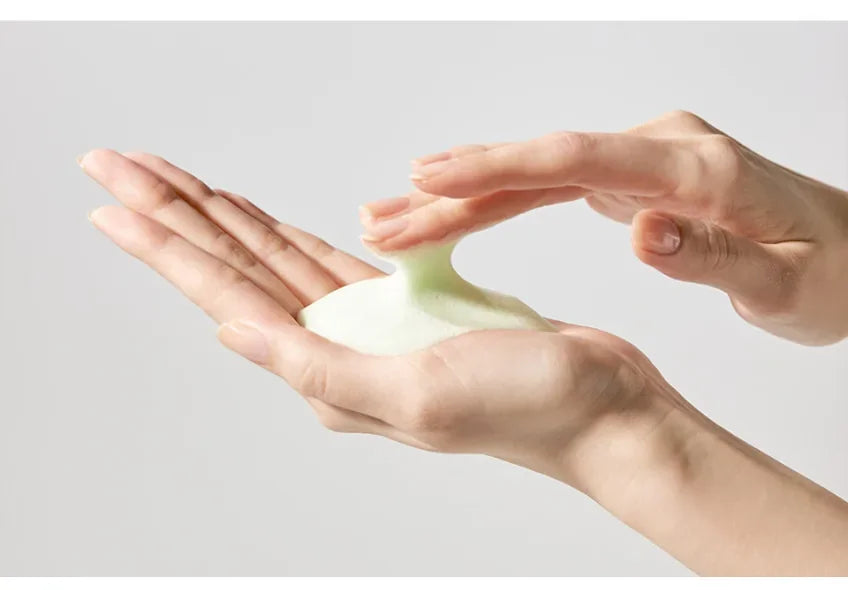
Balancing Bubble Cleanser: is an acid cleanser too much?
What the Jeju Yuja Balancing Bubble Cleanser contains, how many pumps to use, whether 0.62% AHA and 0.5% BHA are right for daily cleansing, and when to add a cleansing oil.
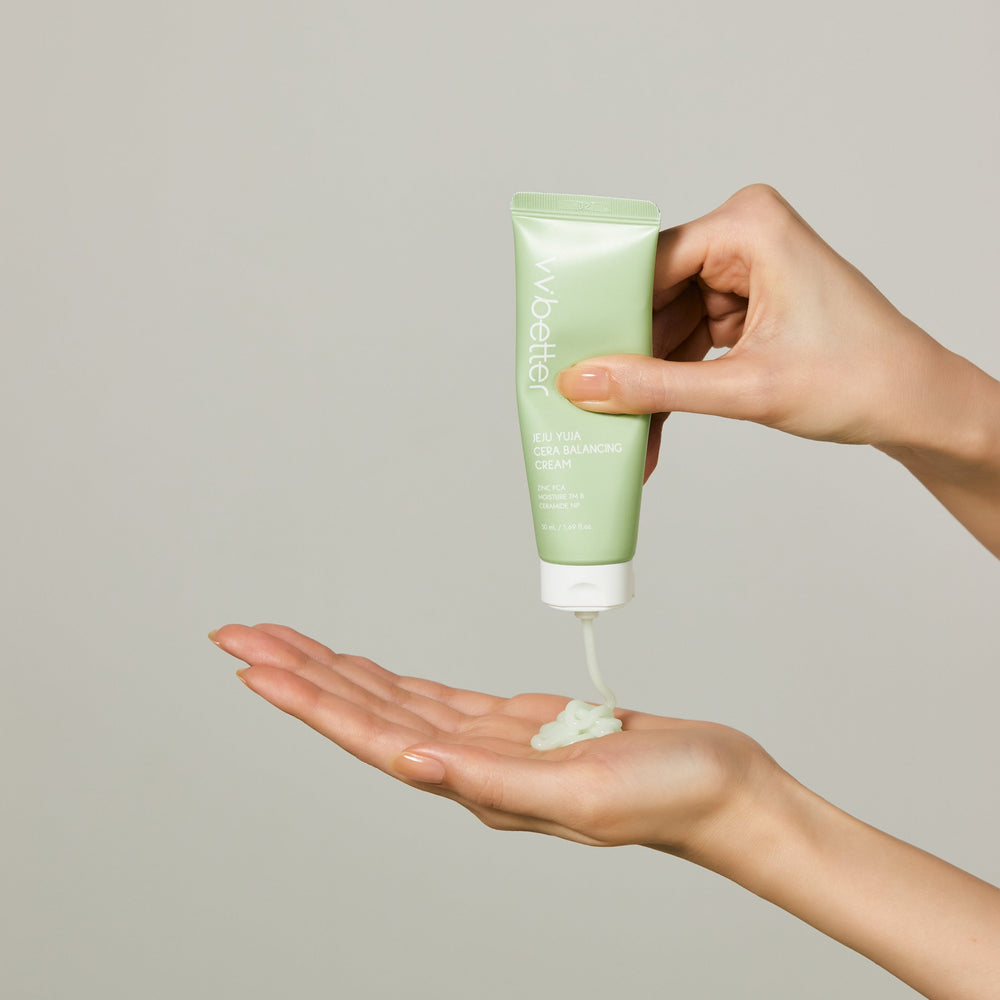
Cera Balancing Cream: who it suits and how to use it
A plain-language guide to Jeju Yuja Cera Balancing Cream: which skin it fits, what the ceramide capsules and MOISTURE TM B do, how to apply it and where it goes in a routine.

Balancing Pad Mini Set: a five-day trial guide
What is in the Jeju Yuja Balancing Pad Mini Set, how it compares with the 120-pad jar, and a simple five-day plan for trying the pad before you commit to the full size.
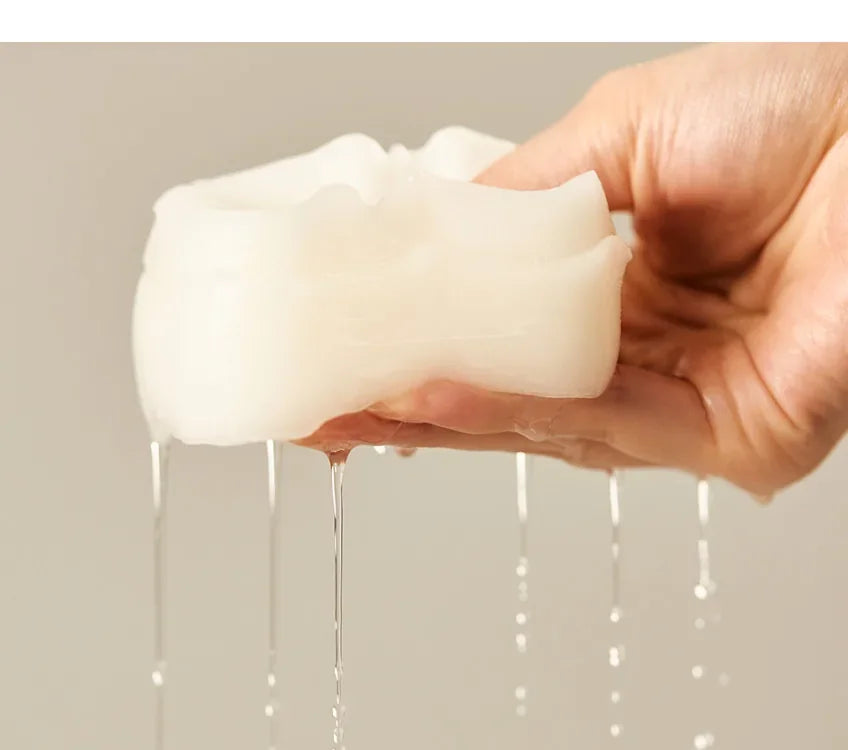
Balancing Pad: wipe or leave on? How to use the 120-pad jar
How to use the Jeju Yuja Balancing Pad two ways (a daily wipe and a 3-5 minute quick pack), what yuja, PHA and MOISTURE TM B do in it, and how it compares with the mini set and serum.
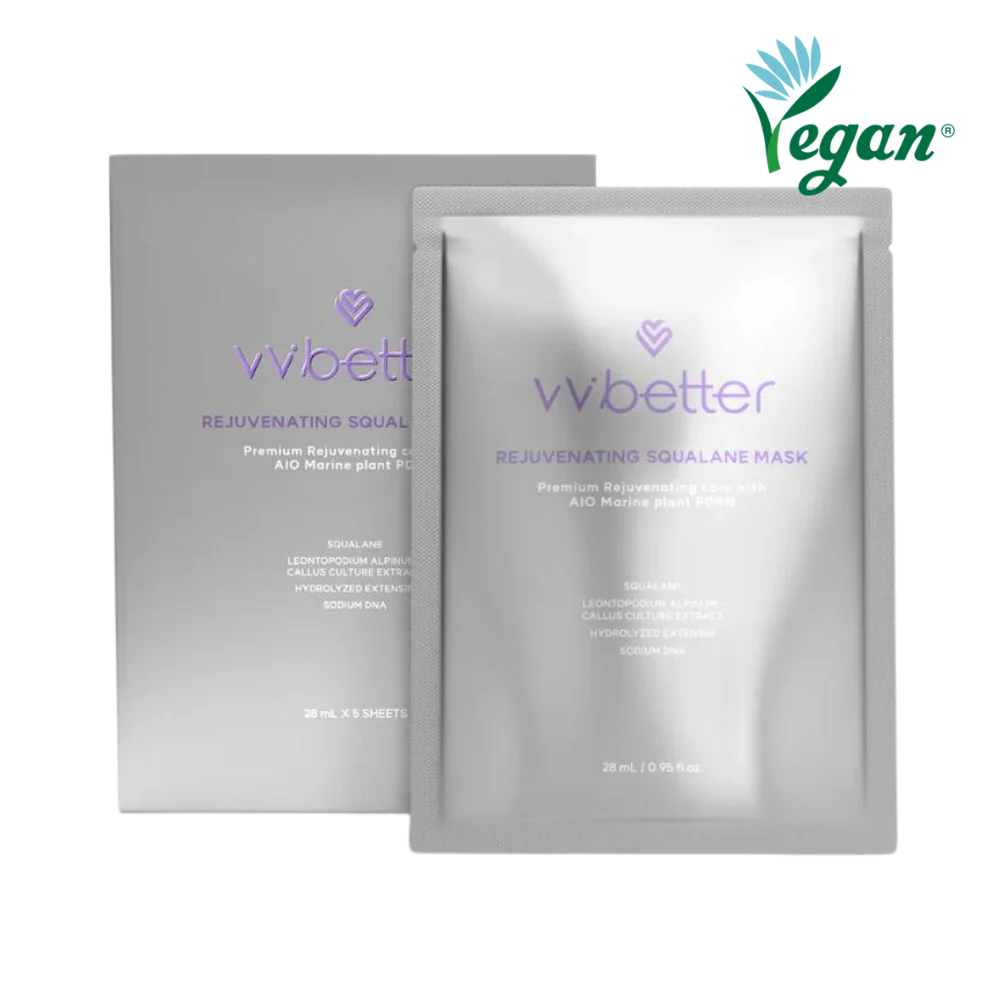
Squalane Sheet Mask: what is inside and how to use it
A plain-language guide to the Rejuvenating Squalane Mask: what the squalane, edelweiss, marine-plant PDRN and carrot-protein complex are, how long to leave it on, and how it differs from the PDRN serum.
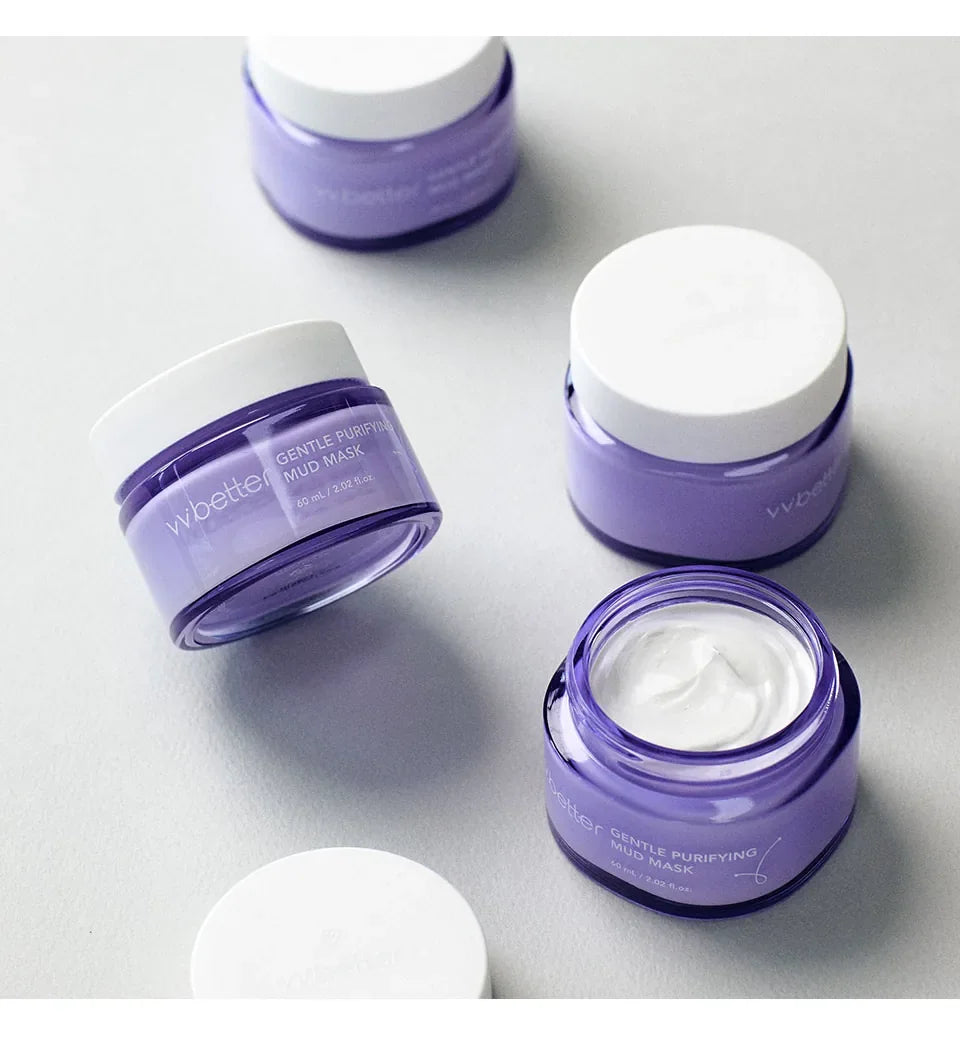
Mud Mask guide: two clays, how often, and how to rinse it
How the Gentle Purifying Mud Mask works, why it uses two clays (kaolin 10.5% and bentonite 4%), how long to leave it on for your skin type, and where it fits in a routine.
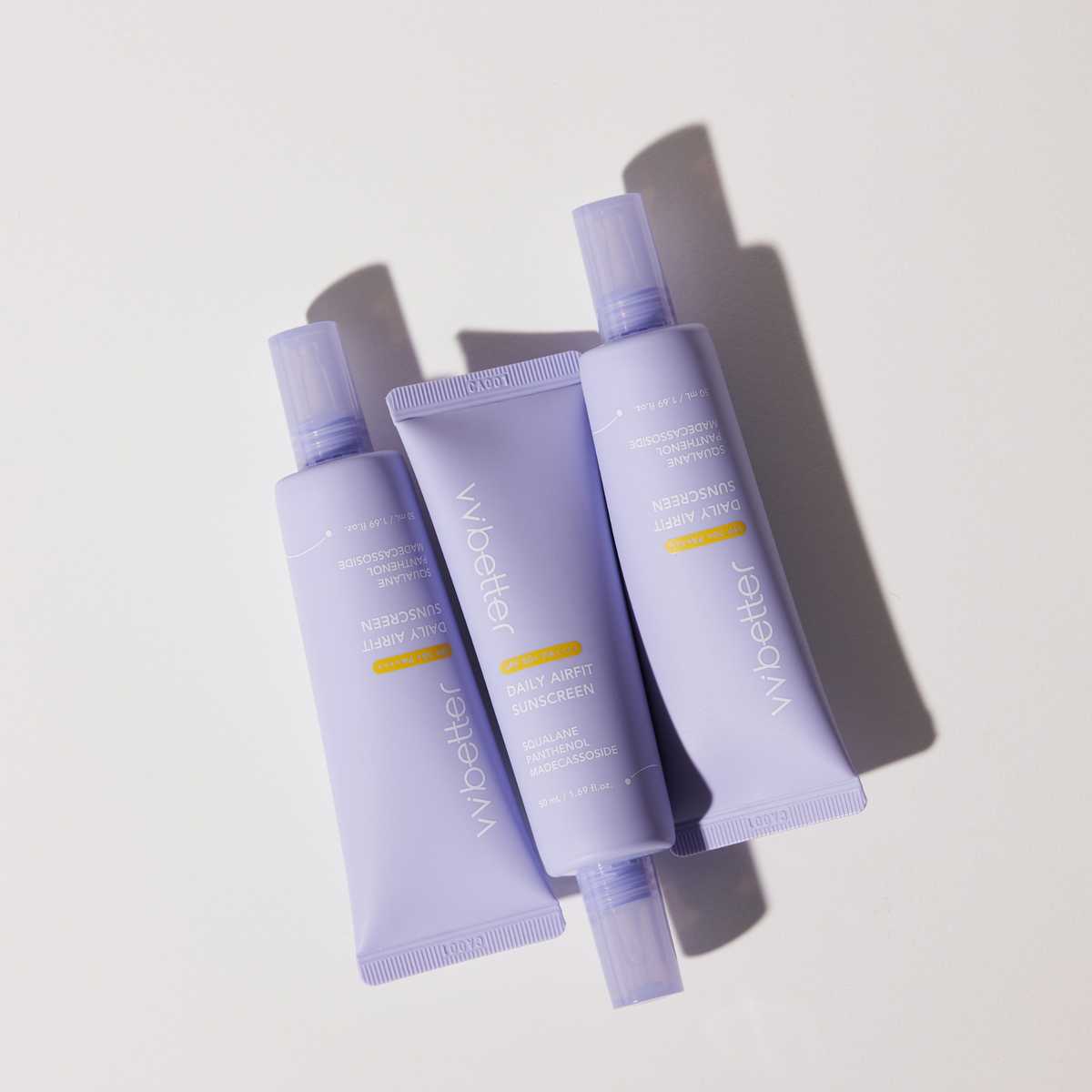
Daily Airfit Sunscreen SPF50+ PA++++: How to Use It
A guide to Daily Airfit Sunscreen: who it suits, what is in it, how to apply it and read SPF50+ PA++++. Not shipped to the US; check eligibility at checkout.

Gentle Deep Cleansing Oil: Ingredients and How to Use It
What is in Gentle Deep Cleansing Oil (81.6% plant oils), who it suits, how to use it step by step and what to follow it with.
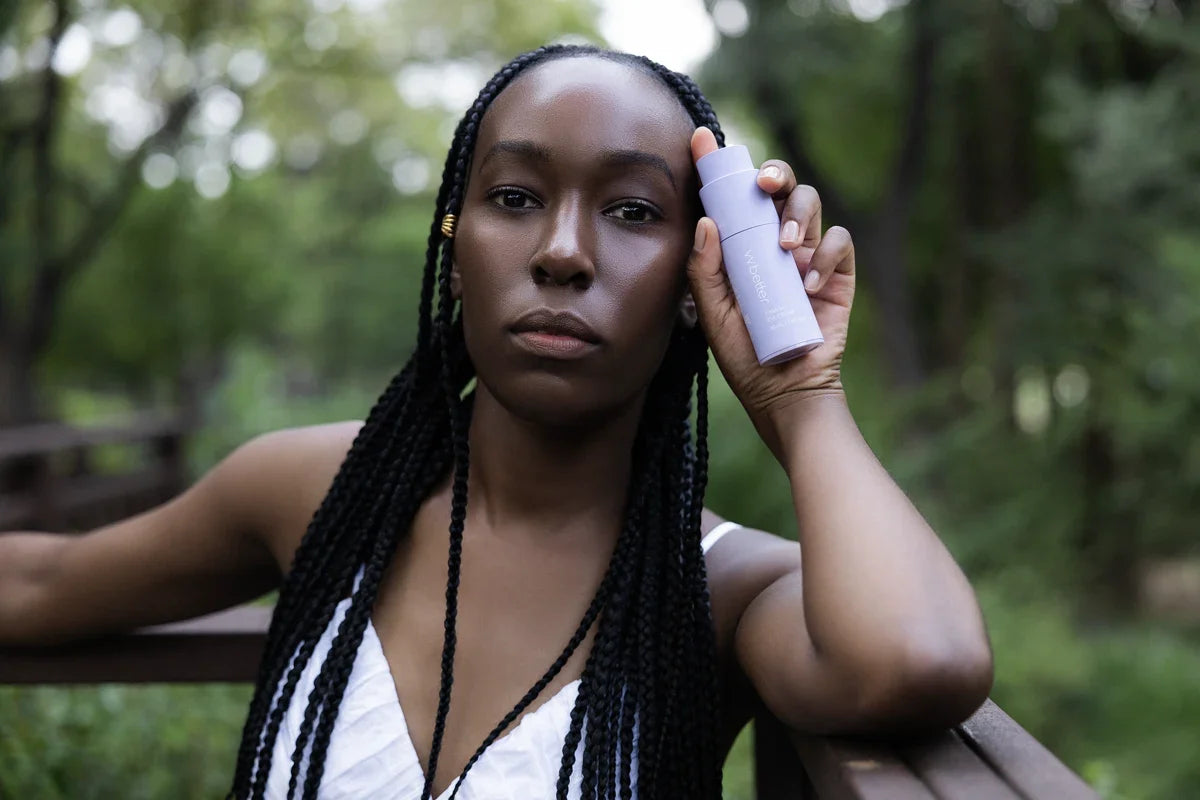
Firming Eye Cream: Ingredients and How to Use It
What is in Firming Eye Cream (73% green tea water, bakuchiol 0.1%), how the twist-up pump works and where it goes in your routine.

Travel Kit Blue: What Is Inside and How to Use It
What is in Travel Kit Blue (four Blue Line minis, 70 ml), how to use them in order, how to pack them and how they differ from the full sizes.
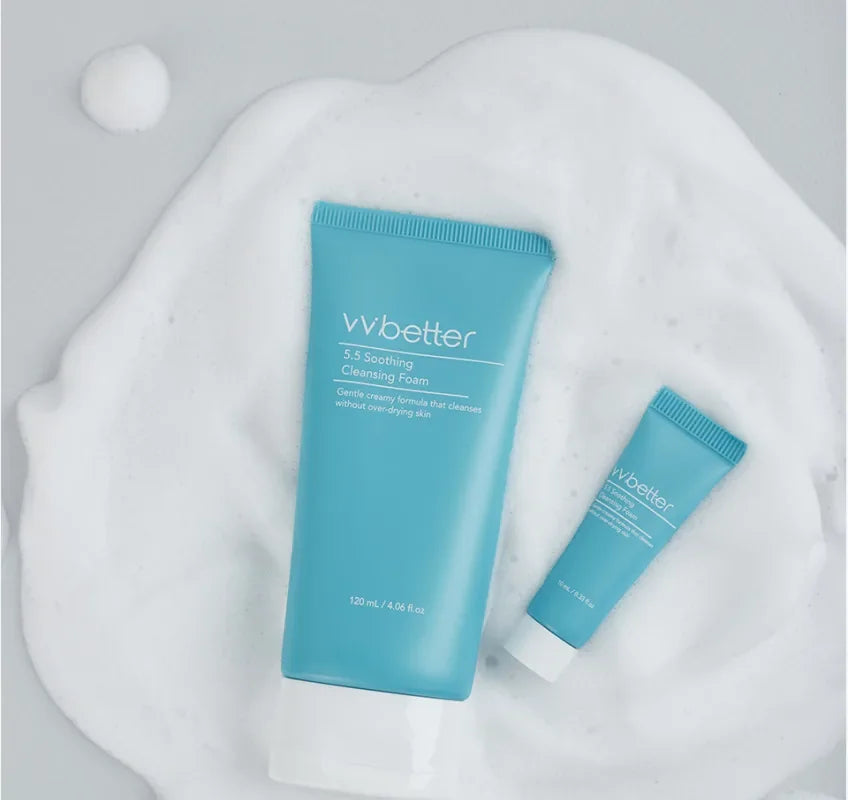
5.5 Soothing Cleansing Foam: Ingredients and How to Use It
What pH 5.5 means for a foam cleanser, what is in 5.5 Soothing Cleansing Foam, how much to use and how it differs from the oil and bubble cleanser.
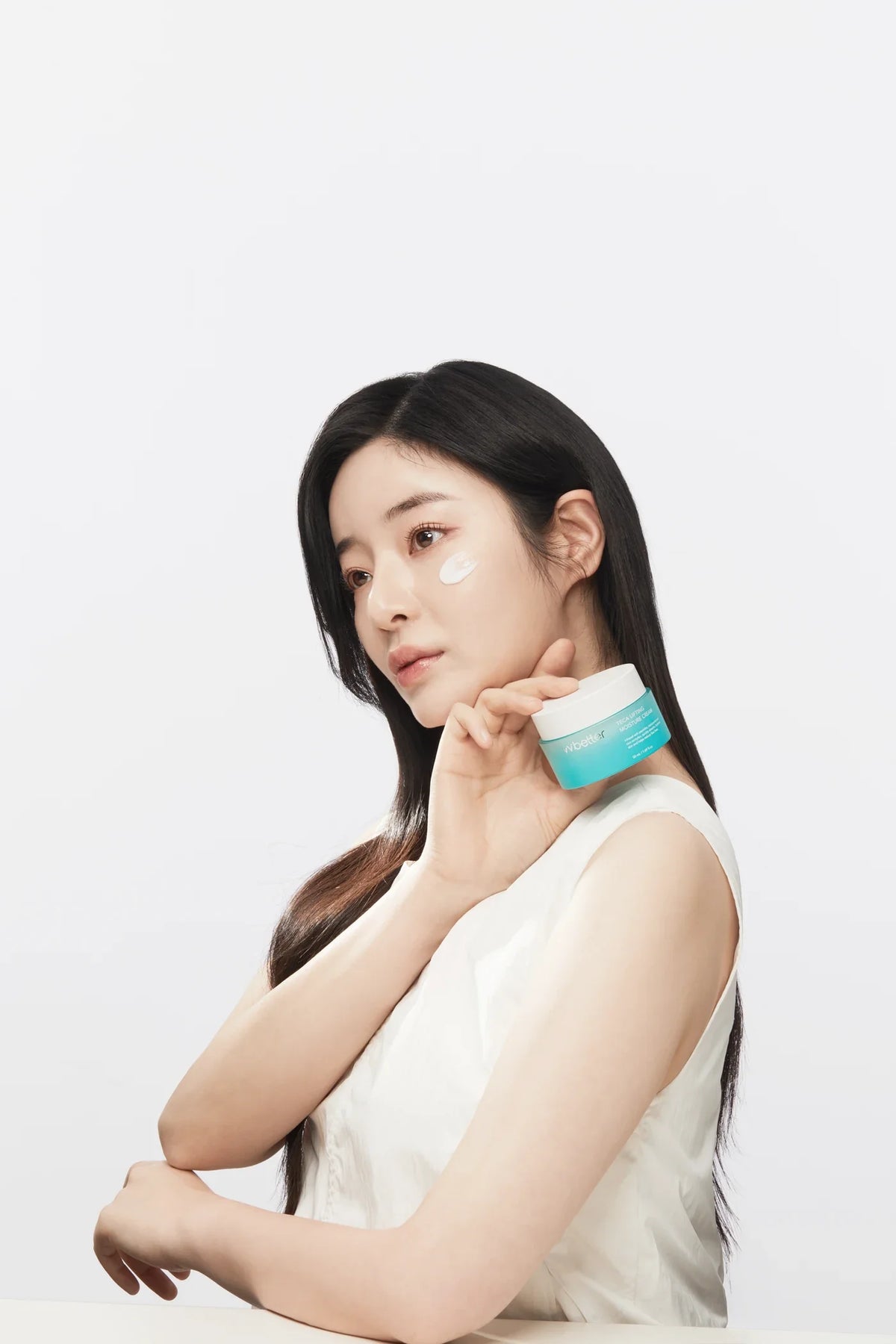
Teca Lifting Moisture Cream Guide: 53% Centella, 9 Peptides
Why Teca Lifting Moisture Cream starts with 53% centella asiatica extract, what 9 types of peptides, hyaluronic acid and collagen add, and how much to use from the 50 ml jar.
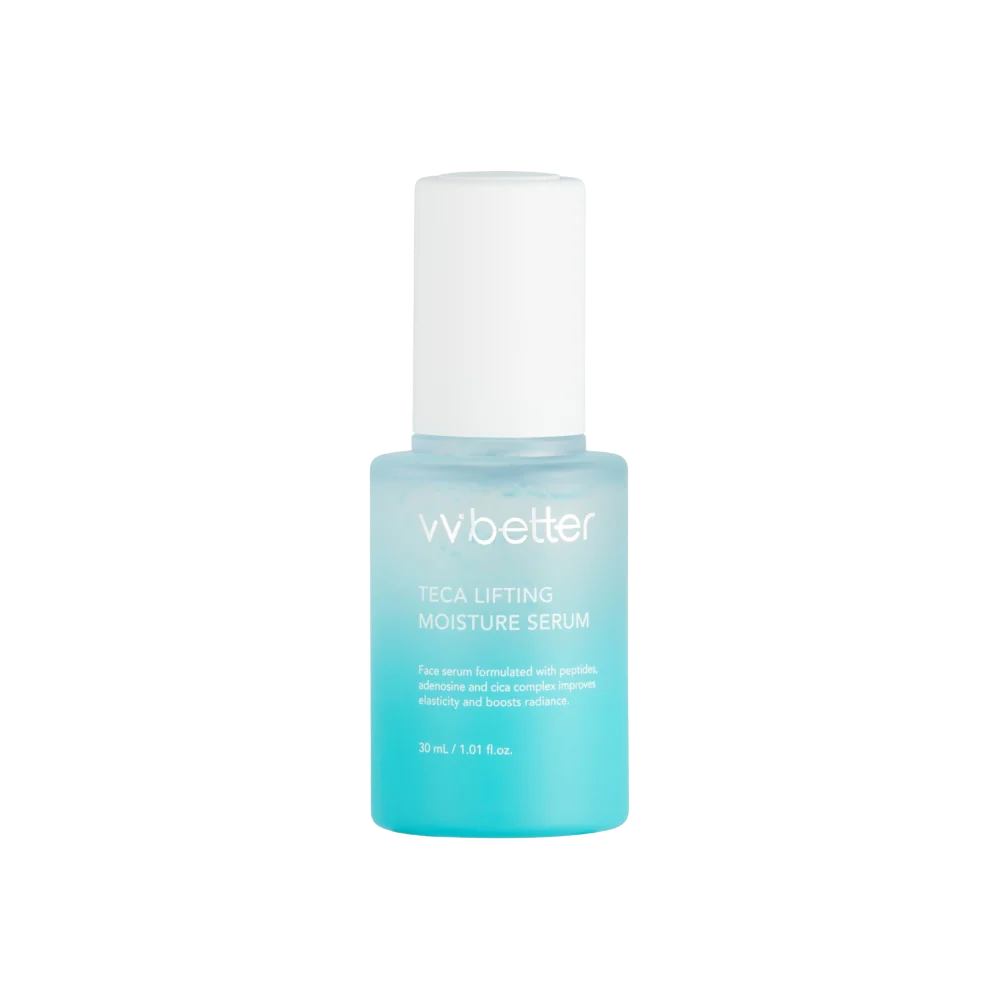
Teca Lifting Moisture Serum Guide: 8 Peptides and Centella
What the 8 types of peptides, hyaluronic acid, centella asiatica and collagen do in Teca Lifting Moisture Serum, plus how to use the dropper and where it fits in the Blue Line.
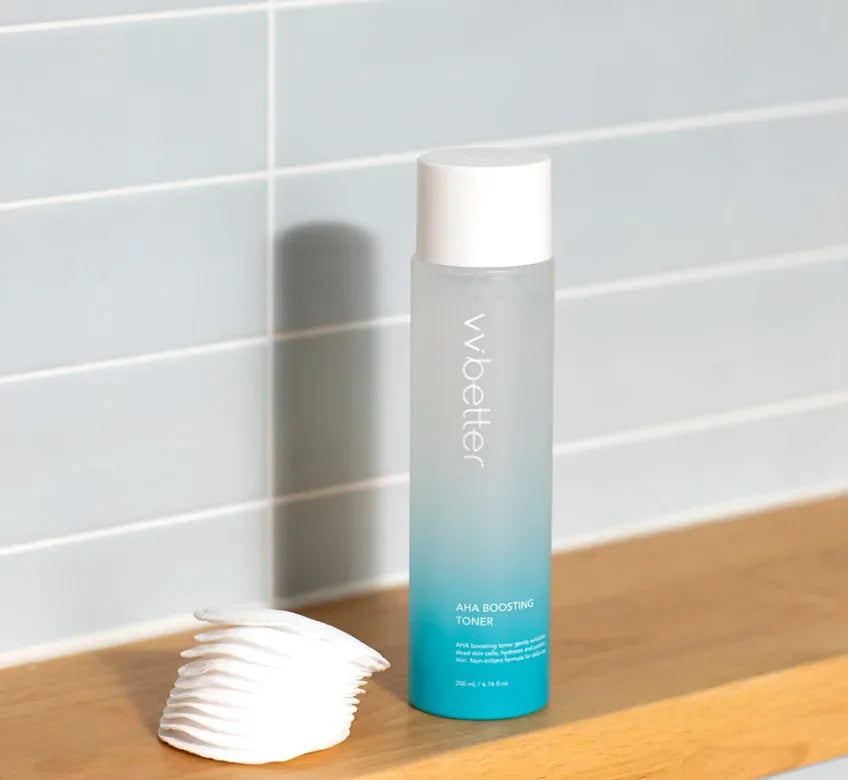
AHA Boosting Toner Guide: Mild AHA and BHA at pH 5.5
How the mild AHA and BHA (0.62% in total) in AHA Boosting Toner add up, why it sits at pH 5.5 with centella and chamomilla, and how to wipe it on with a cotton pad.
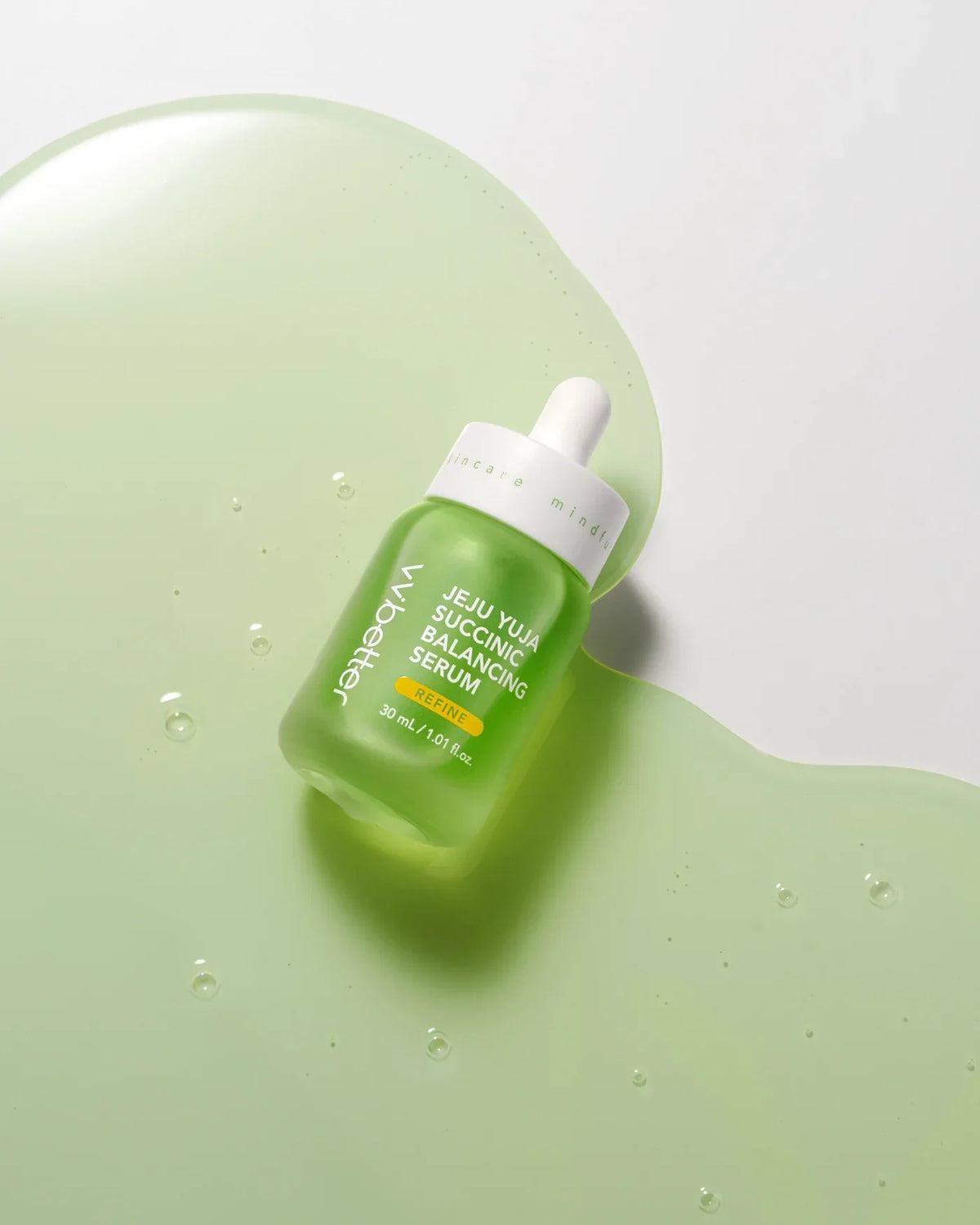
Jeju Yuja Succinic Serum Guide: Succinic Acid, Bamboo Water
What succinic acid, niacinamide, bamboo water and ACZERO do in Jeju Yuja Succinic Balancing Serum, who it suits, and how to use 2–3 drops, including after a breakout.
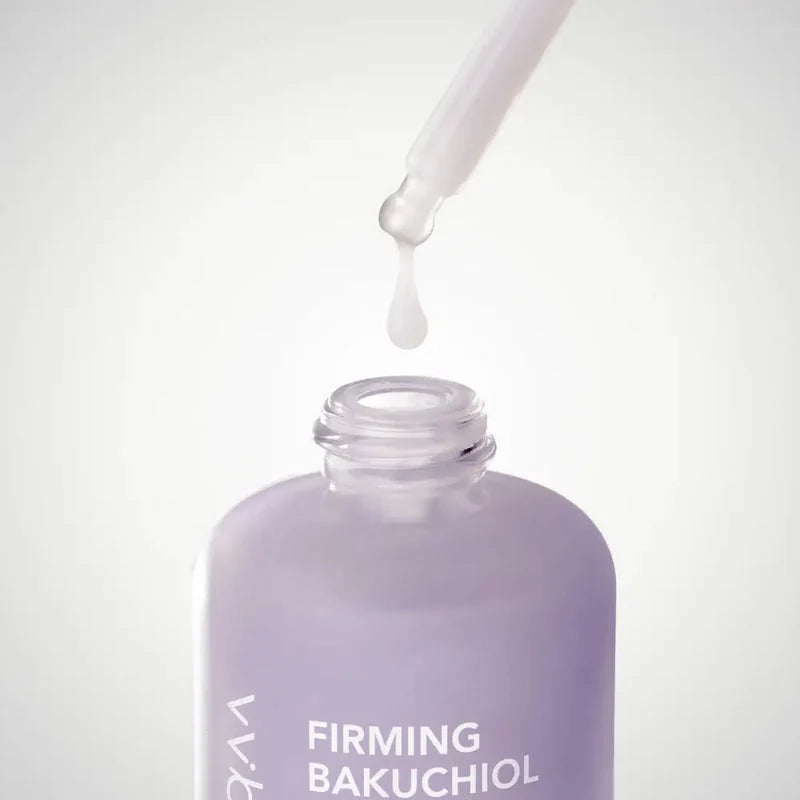
Bakuchiol PDRN Serum Guide: Vegan PDRN and How to Use
What vegan PDRN and bakuchiol actually are, what aloe vera water and adenosine add in Firming Bakuchiol PDRN Serum, and how to shake and apply 2–3 drops.
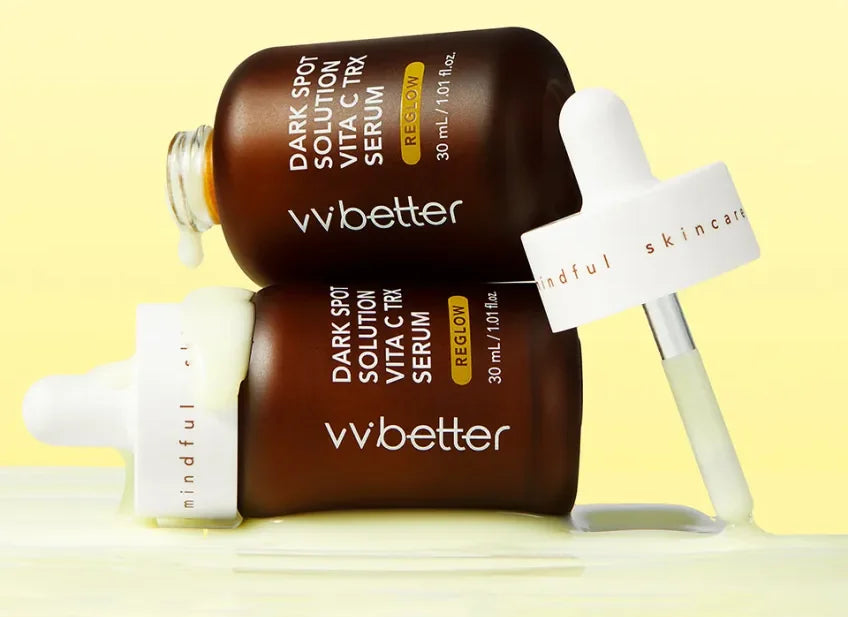
Vita C TRX Serum Guide: Tranexamic Acid and How to Use
What is in Dark Spot Solution Vita C TRX Serum, why tranexamic acid, sea buckthorn water, niacinamide and MELAWAY take the place of pure vitamin C, and how to use 2–3 drops.

How to turn a skincare video into a routine you can follow
A short skincare video shows how to apply a product, not how it will work for you. A five-minute check turns what you watched into a routine you can follow.

How to Keep a Skincare Routine Diary Without Chasing Results
A routine diary records what you used, how much and how your skin felt. Here is what to write down, how to read it, and why we never set a results deadline.
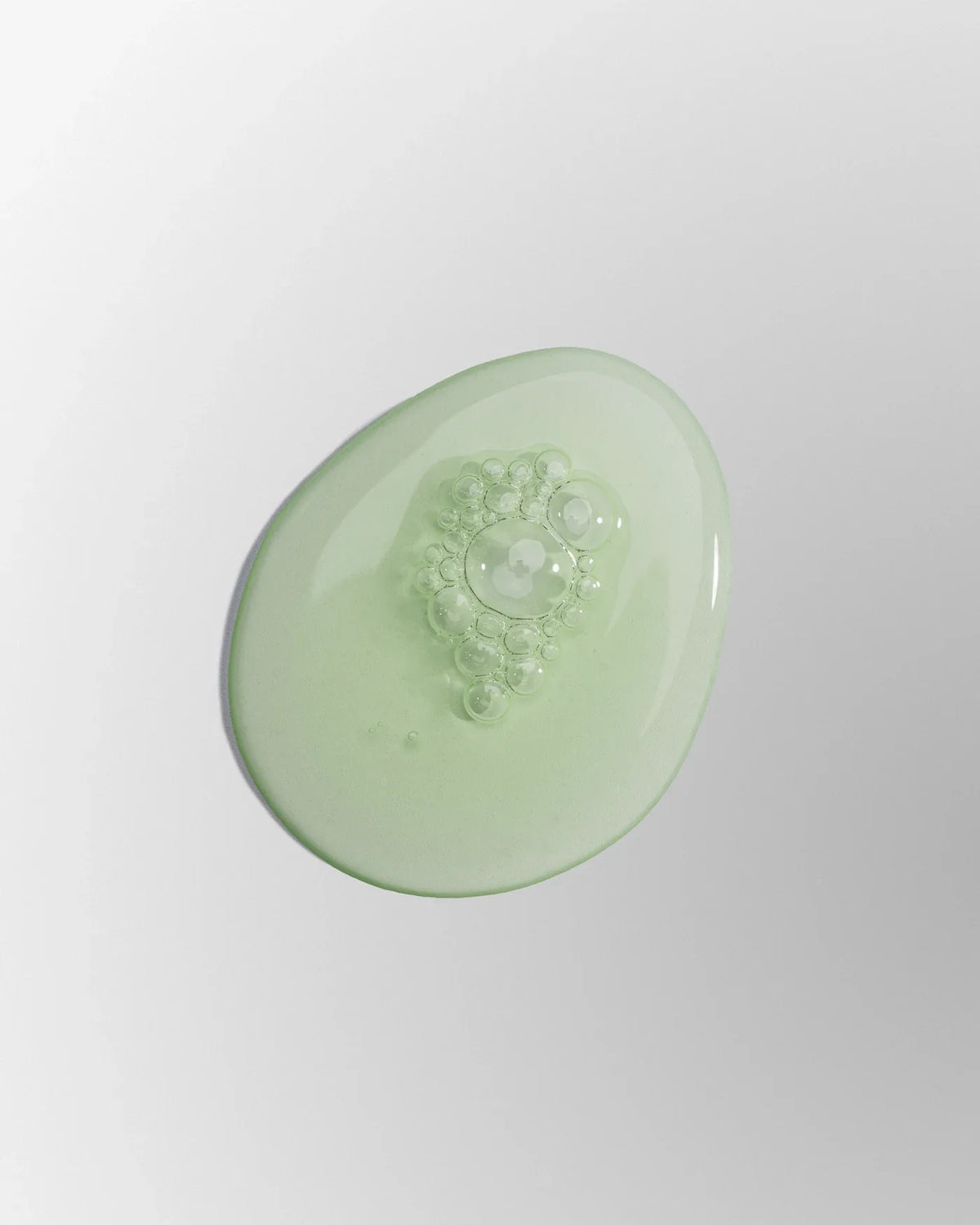
How to read a skincare ingredient list before you buy
Ingredient lists run from largest to smallest amount. Learn to read one line by line, using the 46-ingredient Jeju Yuja Succinic Balancing Serum as a worked example.
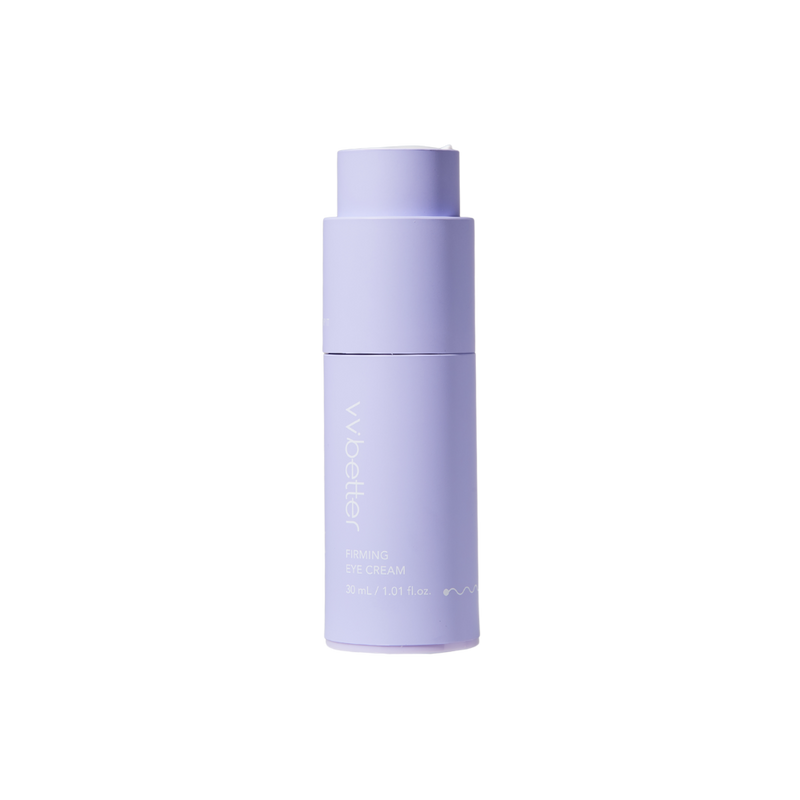
Why Eye Cream Is a Separate Step (and How to Apply It)
Several face products say to avoid the eye area. Here is why eye cream is its own step, what is in VVBETTER Firming Eye Cream, and how to apply one pump.

Cera Gel-Cream vs Teca Cream: How the Two Textures Differ
Cera is a light gel-cream with ceramide capsules; Teca is a fuller cream on a centella base. Here is how they feel, what is in them, and how to choose.

Fragrance-free vs. unscented: how to read a skincare label
Fragrance-free, unscented and essential-oil scented are not the same thing. Learn where scent appears on an ingredient list, with worked examples from the VVBETTER range.

How to pack skincare for a weekend trip: a short checklist
Pack by steps, not by shelf. How to count pads and pouches, what Travel Kit Blue and the Pad Mini Set contain, and what to check before you fly.
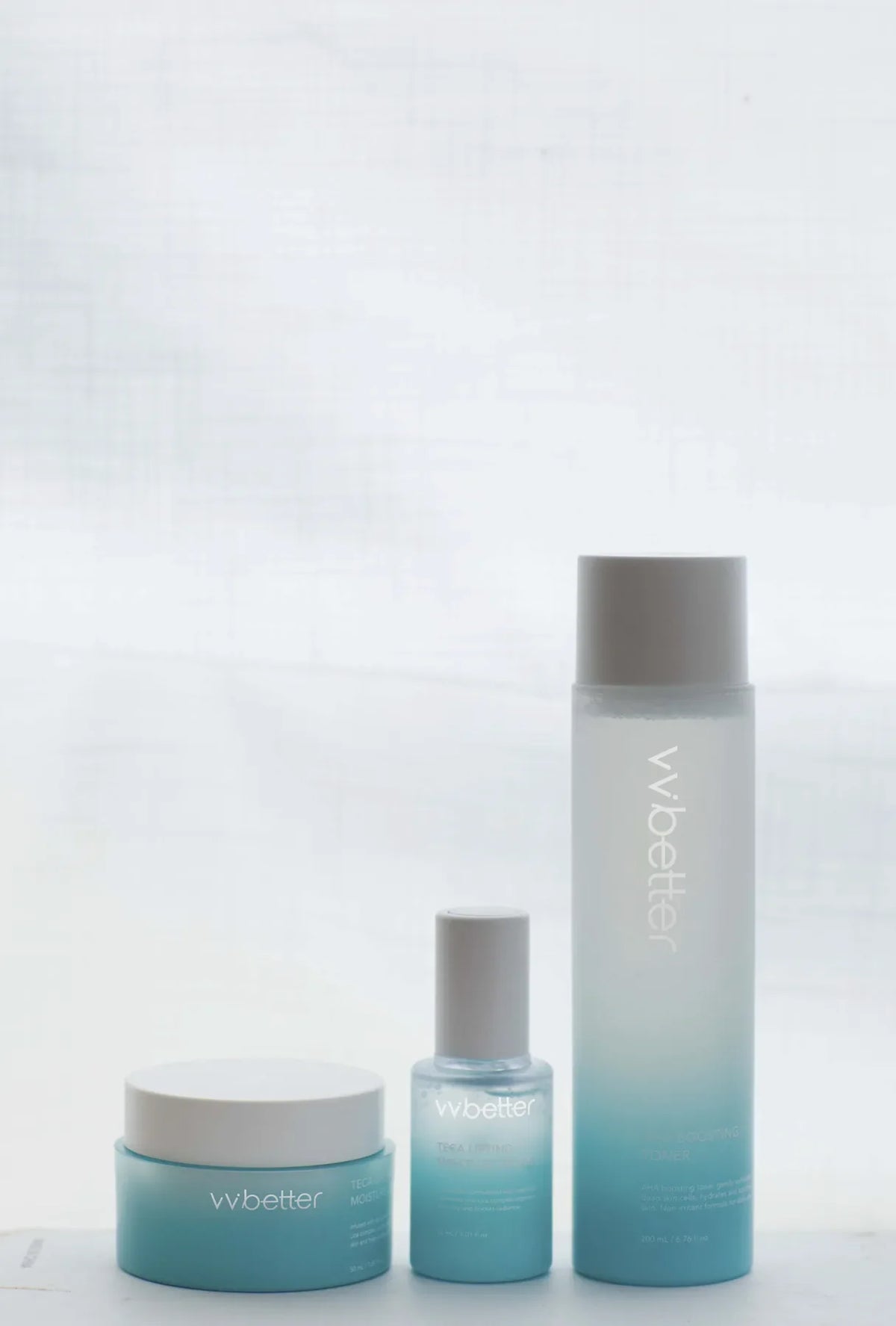
Korean skincare without 10 steps: how to build a short routine
The ten-step Korean routine is a menu, not a rule. See the building blocks, when each can be skipped, and three-, four- and five-step routines built from VVBETTER products.

What "less is better" means when you choose skincare
"Less is better" works as a rule of thumb about reasons, not a product count. Four questions to test any step, how VVBETTER's mindful approach shows up in amounts and bases, and small routines that still work.

What the dot in VVBETTER means, and how to use the pause
The dot above the V is described as a moment of focus. Here is what it means for the name, the brand idea and the small pauses already inside a skincare routine.

Your First Week With a New Skincare Product: A Plan
Check the label, patch-test for two nights, use the amount in the directions and change nothing else. A first-week plan for any new product, with serum, toner and moisturizer examples.
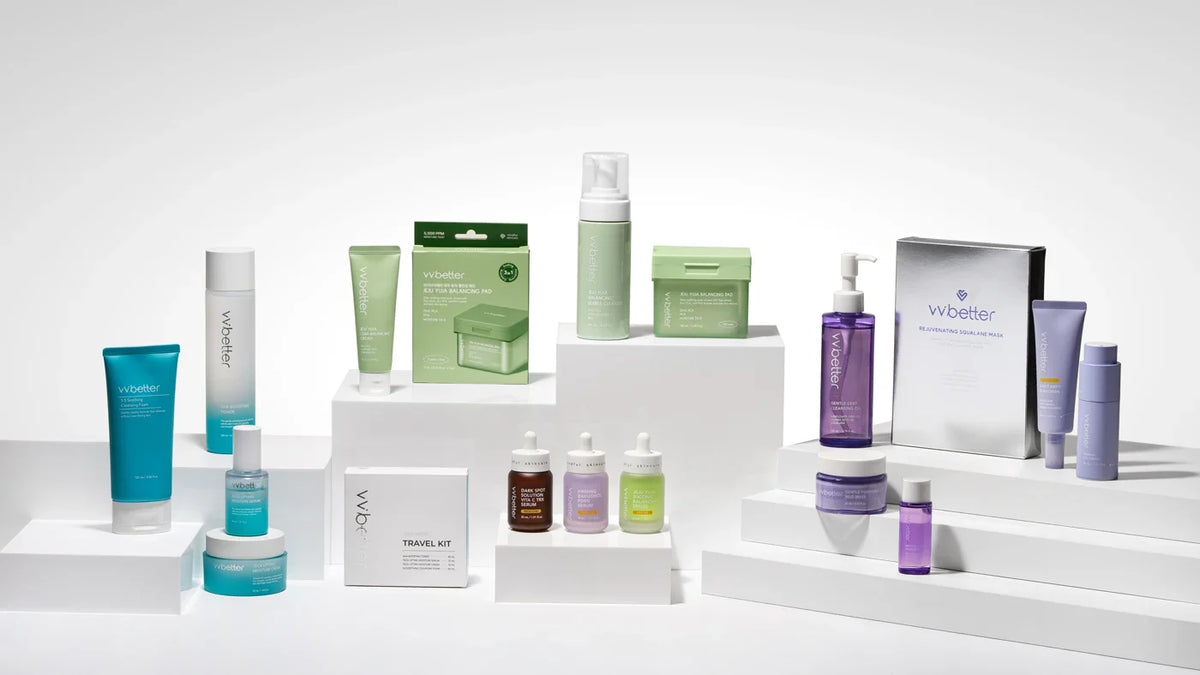
What a vegan mark on skincare tells you, and what it doesn't
A vegan certification belongs to one product and one certifier. Learn the three checks to run on any vegan skincare claim, with the 11 certified VVBETTER products as the example.

ppm vs percent: how to read ingredient amounts on skincare
10,000 ppm is 1%. Learn how to convert ppm to percent and the three questions to ask of any figure on a skincare label, using real amounts from the VVBETTER range.

What Is TECA in Skincare? Reading the Teca Lifting Line
TECA Lifting is a line name. Here is how to read centella on a label, what the cream and serum lists show, why Travel Kit Blue differs, and how to use the serum and cream.

AHA Toner or Bubble Cleanser: Which Acid Step Do You Need?
AHA Boosting Toner stays on your skin; Jeju Yuja Bubble Cleanser rinses off. Here are the acids in each, how to use them, and how to add one without overdoing it.

Jeju Yuja in Skincare: Citrus Extract, Not a Vitamin C Serum
Yuja is a citrus fruit used across the Green Line, but a fruit name is not a vitamin C claim. See where yuja appears, what else defines each product, and how to use the line in order.
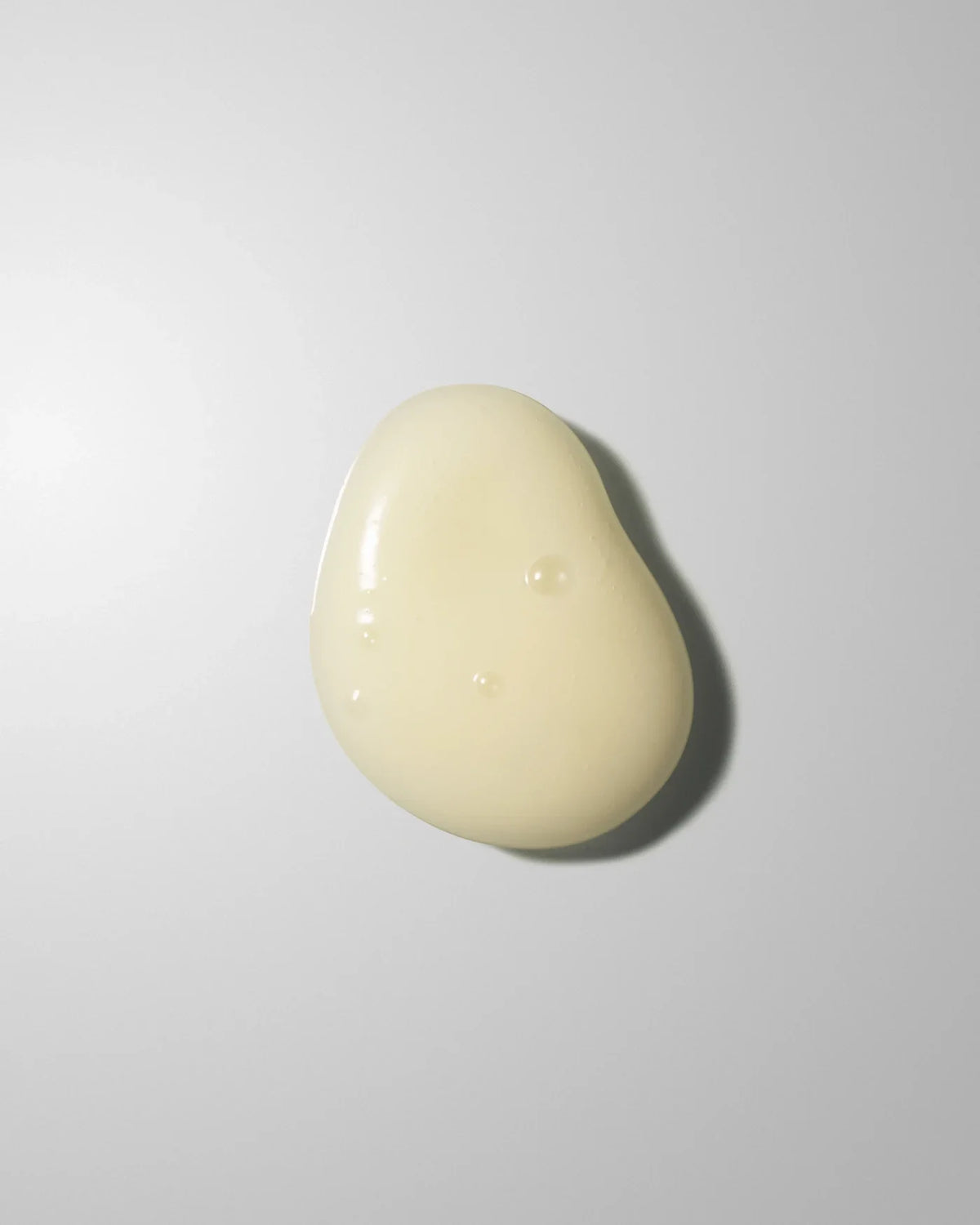
Aqua, plant water or extract? How to read a formula's base
The first line of an ingredient list shows what a formula is built on. Learn to tell Water, a plant water and a plant extract apart, using the VVBETTER serums as examples.

Why Shake the Bakuchiol PDRN Serum Before You Use It
The Firming Bakuchiol PDRN Serum separates slightly at rest. Here is why you shake it, how to dose 2–3 drops, and which other serums do not need it.
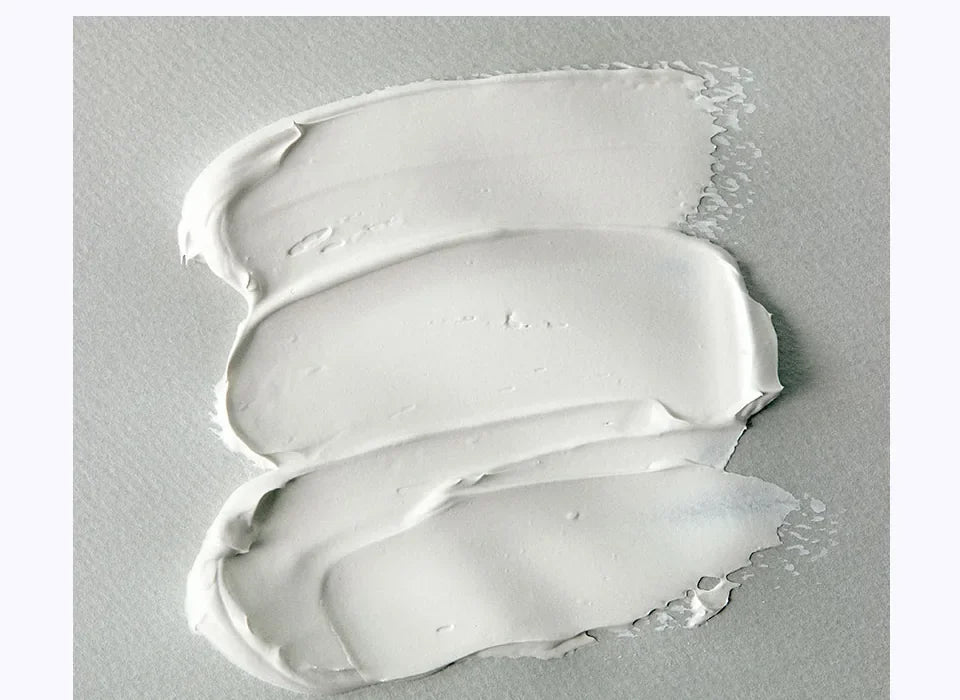
Clay Mask vs Sheet Mask: Which One Fits Your Skin?
The Mud Mask rinses off and works on oil and buildup; the Squalane Mask is a single-use essence sheet. Here is how they differ and how to pick one for your skin.