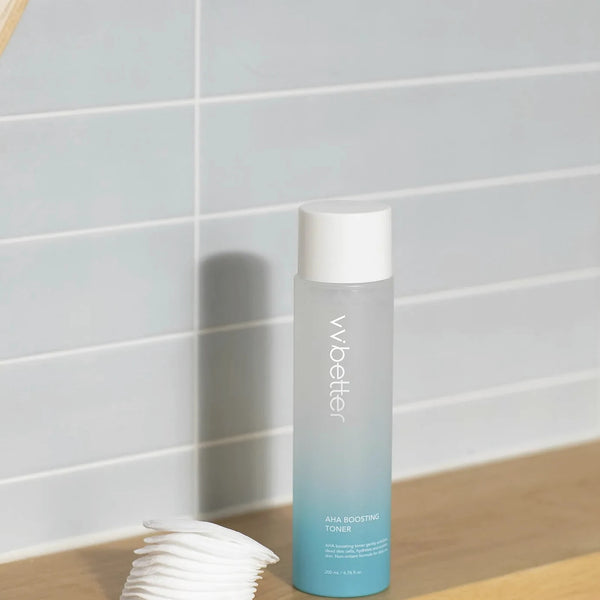
less is better
Meet us at K-Beauty Expo · Oct 15–17 ↗
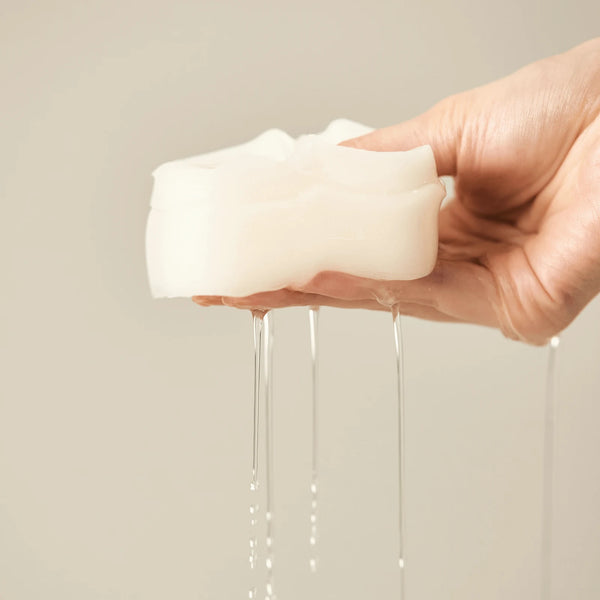
Clear AHA Boosting Toner, made with lactic acid, poured from the bottle into an open palm

Gentle exfoliation

Lactic acid (AHA)

INCI Lactic Acid

Also known as AHA · alpha hydroxy acid · 2-hydroxypropanoic acid · milk acid · L-lactic acid · sodium lactate (its salt)

The gentle, hydrating AHA: smoother, brighter-looking skin in a daily toner.

Lactic acid is an alpha hydroxy acid (AHA) that loosens the bonds between dead surface cells and also acts as a humectant, drawing water into the skin. It is larger and gentler than glycolic acid, which makes it a good fit for daily use. VVBETTER's AHA Boosting Toner contains 0.45% (4,500 ppm) lactic acid at pH 5.5, alongside glycolic acid and betaine salicylate.

What it is

Lactic acid (C3H6O3) is a small organic acid with a hydroxyl group next to its acid group, which is what makes it an alpha hydroxy acid. It takes its name from milk, where it was first identified in the 18th century in soured milk, and it is the acid that gives yogurt and sauerkraut their tang.

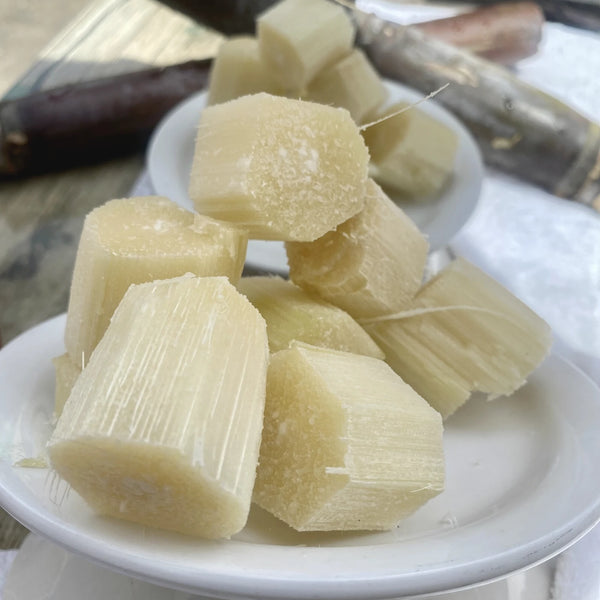
It is also part of your own skin. Lactate, the salt form of lactic acid, is one of the main components of the natural moisturizing factor (NMF) that keeps the outer layer of skin supple, together with amino acids, PCA and urea. Cosmetic lactic acid today is produced by fermenting plant sugars, such as those from corn or beets, with lactic-acid bacteria, so it does not come from dairy.

At about 90 daltons it is larger than glycolic acid (76), the smallest AHA. That small difference matters: lactic acid moves into the skin a little more slowly, so it tends to tingle less while still smoothing texture.

Benefits for skin

  • Smoother-looking texture

    It loosens the bonds that hold dead cells on the surface, so they shed more evenly and skin looks smoother and more refined.

  • A brighter, more even look

    Clearing away dull surface buildup lets skin reflect light more evenly, so it looks fresher and less dull.

  • Hydration as well as exfoliation

    As a natural moisturizing factor, lactic acid and its salt draw water into the skin, so it feels soft rather than tight.

  • Gentler than glycolic acid

    Its slightly larger size makes it a common first AHA for normal, dry and sensitive-leaning skin.

  • Better makeup application

    With rough, flaky patches cleared away, serums spread more evenly and makeup sits more smoothly.

How it works

The outer layer of skin is made of flattened dead cells held together by protein links. AHAs loosen those links, helping the cells shed more evenly, which is why skin looks smoother and brighter. Lactic acid also binds water, so it hydrates the same layer it exfoliates.

How strongly any AHA works depends on its concentration and the pH of the formula. The lower the pH, the more of the acid is in its free, active form. At pH 5.5, close to skin's own mildly acidic range, most lactic acid is present as its gentler salt, lactate. That makes a pH 5.5 toner like VVBETTER's a daily texture-and-hydration step, not a peel, and it is why the toner can be used morning and evening.

How to use it

Lactic acid is used in toners, serums, cleansers and peels at very different strengths. US experts (the Cosmetic Ingredient Review panel) consider retail AHA products safe at up to 10% with a pH of 3.5 or higher, with directions for sun protection; low-level, pH-balanced toners sit well below that and suit daily use.

Apply after cleansing on dry skin, then follow with serum and moisturizer. Start once a day or every other day if acids are new to you, build up to morning and evening if your skin is comfortable, and always finish the morning with sunscreen. Patch-test on the jawline for two nights first if your skin is sensitive.

Pairings

Pairs well with

  • Glycolic acid (AHA)

    A small amount of glycolic acid adds reach while lactic acid keeps the blend gentle and hydrating, the approach of VVBETTER's toner.

  • Betaine

    Betaine is a gentle humectant that helps skin feel soft after exfoliation.

  • Hyaluronic acid

    Extra water-binding keeps an acid step from feeling dry.

  • Centella asiatica (cica, TECA)

    Centella helps skin feel calm while acids work.

  • Broad-spectrum sunscreen

    Essential with any AHA: it offsets the increased sun sensitivity.

Use with care

  • Retinoids

    Both speed up surface renewal. Use them on alternate nights at first, or the AHA in the morning and the retinoid at night.

  • Gluconolactone (PHA)

    Another exfoliating acid in the same routine adds up. Alternate days if you use an AHA toner and a PHA pad.

  • Scrubs and peels

    Physical exfoliation or professional peels on top of a daily AHA can over-exfoliate. Pause the AHA around in-clinic procedures.

Who it suits

Suits normal, dry, combination and oily skin, especially skin that looks dull, rough or uneven. Sensitive skin often tolerates lactic acid better than glycolic acid, but should patch-test and start every other day. Skip it on sunburned, broken or skin fresh from a professional procedure, and if you have reacted to AHAs before, choose a toner without acids.

Good to know

  • Sun sensitivity

    The US FDA advises that AHAs may increase the skin's sensitivity to the sun and the chance of sunburn. Use a broad-spectrum sunscreen every day while using an AHA and for a week after you stop.

  • Tingling and irritation

    Mild tingling can happen, especially on sensitive skin or right after shaving or exfoliating. Stop if you see redness, swelling or itching, and avoid broken skin and the eye area.

  • Over-exfoliation

    More is not better. Combining several acid products with a retinoid or scrub can leave skin tight, shiny and sore. Keep one main exfoliating step.

  • Pregnancy

    If you are pregnant or breastfeeding, ask your doctor before using exfoliating acids.

IN OUR FORMULAS

In VVBETTER

Where you will find it, how much the product record states, and what it works with in that formula.

Amount 0.45% (4,500 ppm)

The main AHA of the toner. With 0.07% glycolic acid it makes AHA 0.52%, and with 0.1% betaine salicylate (BHA) a combined 0.62% of exfoliating acids at pH 5.5: a daily-use level rather than a peel.

Works with, in this formula

  • Glycolic acid (AHA)A small 0.07% (700 ppm) of glycolic acid, the smallest AHA, adds reach while lactic acid carries most of the gentle exfoliating work.
  • Betaine salicylate (BHA)0.1% betaine salicylate, a gentle BHA, with willow bark water, adds care for congested-looking pores and surface oil that water-soluble AHAs cannot reach as well.
  • BetaineBetaine, glycerin and hyaluronic acid hydrate the skin so it feels soft, not stripped, after wiping.
  • Centella asiatica (cica, TECA)Centella asiatica, green tea, propolis and chamomile extracts help skin stay calm through a twice-daily acid step.

How to use it Soak a cotton pad and sweep it over a dry face and neck after cleansing, morning and evening, avoiding the eyes; wipe rather than leaving soaked pads on. New to acids, or using a retinoid? Start every other day. Follow with the Teca Lifting Moisture Serum and Cream, and sunscreen in the morning. The toner contains fragrance, so check the full list if you avoid it.

View product

Amount 4,500 ppm (0.45%) in the 30 ml toner

The kit's 30 ml AHA Boosting Toner lists lactic acid at 4,500 ppm and glycolic acid at 700 ppm, the same acid levels as the full size, in a travel formula of its own.

Works with, in this formula

How to use it Use the toner on a cotton pad between the 5.5 foam and the Teca serum; if acids are new to you, use it every other day at first.

View product

Questions people ask

What does lactic acid do for skin?

Lactic acid is an AHA that loosens dead surface cells so skin looks smoother and brighter, and it draws water into the skin at the same time. It is one of the gentlest AHAs. VVBETTER's AHA Boosting Toner contains 0.45% lactic acid at pH 5.5 for daily use.

Lactic acid vs. glycolic acid: which is better?

Glycolic acid is smaller, so it works faster and can be more irritating; lactic acid is slightly larger, gentler and more hydrating. For sensitive or dry skin, lactic acid is usually the better first choice. VVBETTER's toner uses mostly lactic acid (0.45%) with a little glycolic acid (0.07%).

Does lactic acid make you sensitive to the sun?

Yes, like all AHAs it can increase sun sensitivity and the chance of sunburn. Use a broad-spectrum sunscreen every morning while using it and for a week after you stop, as the US FDA recommends.

Can I use lactic acid every day?

At low levels and a skin-friendly pH, yes. VVBETTER's AHA Boosting Toner has 0.62% exfoliating acids in total at pH 5.5 and is designed for morning and evening use. Start every other day if acids are new to you or you use a retinoid.

Can I use lactic acid with retinol, vitamin C or niacinamide?

With niacinamide, yes, easily. With retinoids, alternate nights at first or use the AHA in the morning and the retinoid at night. With vitamin C, introduce one at a time and watch for tingling.

Is 0.45% lactic acid strong enough to do anything?

It is a daily toner level, not a peel. Used on a cotton pad morning and evening, it helps clear dead surface cells so skin looks smoother over time, while the low level and pH 5.5 keep it gentle. Stronger products work faster but cannot be used as often.

References

  1. PubChem: Lactic acid
  2. US FDA: Alpha hydroxy acids in cosmetics
  3. Molecules (2018): Dual effects of alpha-hydroxy acids on the skin

General cosmetic information, not medical advice. Amounts come from VVBETTER product records; where a record names an ingredient without an amount, none is shown. 1% is 10,000 ppm.