Every day, very very better.
Meet us at K-Beauty Expo · Oct 15–17 ↗
Fresh green leaves of Psoralea corylifolia (babchi), the plant whose seeds give bakuchiol

Firming & elasticity

Bakuchiol

INCI Bakuchiol

Also known as plant retinol alternative · babchi · Psoralea corylifolia seed extract (source) · Cullen corylifolium

The plant-based retinol alternative for firmer, smoother-looking skin.

Bakuchiol is a plant compound from the seeds of the babchi plant (Psoralea corylifolia), used as a gentler, plant-based alternative to retinol for skin that looks less firm or shows fine lines. It is not a retinoid, but in a head-to-head study it gave comparable visible results with less stinging and flaking. VVBETTER uses it at 1% in the Firming Bakuchiol PDRN Serum and at 0.1% in the Firming Eye Cream.

What it is

Bakuchiol (C18H24O) is a meroterpene phenol: part terpene, part phenol. It was first isolated in 1966 from the seeds of Psoralea corylifolia, known as babchi in India, a plant with a long history in Ayurvedic and traditional Chinese practice. For decades it was a laboratory curiosity; it entered cosmetics in the 2000s, and became widely known after studies compared it with retinol.

Purity matters with bakuchiol. Whole babchi seed extracts also contain psoralens, compounds that make skin more sensitive to light. Cosmetic-grade bakuchiol is purified to remove them, which is why suppliers state purity, often above 99%. The purified raw material is a pale, slightly viscous oil-soluble liquid.

Two numbers are often confused: purity (how pure the raw material is) and concentration (how much is in the product). A serum made with 99%-pure bakuchiol might contain 1% of it.

Benefits for skin

  • Firmer-looking skin

    Helps skin that has started to look less firm and bouncy look more toned with consistent use.

  • Softens the look of fine lines

    Helps fine lines and wrinkles look less noticeable over weeks of regular use.

  • A more even-looking tone

    In comparison studies it also helped the look of uneven pigmentation, a benefit often associated with retinol.

  • Gentler than retinol

    Users in head-to-head research reported less stinging and scaling than with retinol, which makes it easier to use every day.

  • Stable and day-friendly

    Stays stable in heat and light, and is less light-sensitive than retinol, so it can be used morning and night.

How it works

Bakuchiol does not share retinol’s chemical structure and does not bind the same retinoid receptors. What surprised researchers was how similar its effects on skin cells looked. In a 2014 gene-expression study, bakuchiol switched on many of the same genes as retinol, including those linked to the skin’s supporting proteins, which is why it is often called a functional analog.

In 2019, a randomized, double-blind study compared a 0.5% bakuchiol cream used twice daily with a 0.5% retinol cream used once daily for 12 weeks. Both groups saw similar improvements in the look of wrinkles and pigmentation; the retinol group reported more scaling and stinging. It was a small study, and retinol still has a far larger body of evidence, but it gave bakuchiol a credible place in firming routines.

Bakuchiol is also an antioxidant, and its stability means formulators can combine it with ingredients that would not sit well beside retinol.

How to use it

Typical amount: 0.5–1% in face serums and creams; lower amounts, such as 0.1%, are used around the eyes.

When: morning and night. Sensitive skin: start every other night for the first two weeks.

Where in the routine: after toner, before cream. Shake the bottle if the formula separates. Follow with moisturizer, and with sunscreen in the morning.

Expectations: firmness and fine lines change slowly; give it 8–12 weeks of consistent use.

With retinol: you usually do not need both. If you do use both, keep them on separate nights while you see how your skin responds.

Pairings

Pairs well with

  • Marine-plant PDRN (vegan PDRN)

    A vegan PDRN complex adds firming-minded support for tired-looking skin in the same step.

  • Peptide complex

    Peptides work through different signals on skin that looks less firm, a well-matched partnership.

  • Squalane

    Bakuchiol is oil-soluble; squalane helps it spread and keeps skin feeling supple.

  • Niacinamide (vitamin B3)

    Adds tone and barrier support to a firming routine.

  • Adenosine

    A gentle Korean-notified anti-wrinkle ingredient that complements bakuchiol.

Use with care

  • Retinol and prescription retinoids

    Not dangerous together, but doubling up on firming actives raises the chance of irritation. Alternate nights or choose one.

  • Strong AHA or BHA leave-on products

    Avoid layering with high-strength exfoliating acids in the same routine, which may irritate.

Who it suits

Suits most skin types that want firming care, especially people who find retinol too irritating, have sensitive or dry skin, or want a daytime-friendly option. Mature skin with loss of firmness and visible fine lines is the main fit. Go slowly with very reactive skin, active eczema or broken skin, and if pregnant or breastfeeding ask your doctor first.

Good to know

  • Not a retinoid

    It is a gentler alternative, not a stronger one. Retinoids, especially prescription ones, have more research behind them.

  • Gentle does not mean reaction-free

    Some people still get redness or itching, and rare contact allergy has been reported. Patch-test and introduce it gradually.

  • Sunscreen still matters

    Bakuchiol is less light-sensitive than retinol, but any firming routine depends on daily sun protection.

  • Purity and amount are different numbers

    99% describes the raw material; the product might contain 1% or less. Look for the stated amount.

  • Pregnancy

    Bakuchiol is often marketed as a pregnancy-friendly retinol alternative, but safety data in pregnancy are limited. Ask your doctor before use.

IN OUR FORMULAS

In VVBETTER

Where you will find it, how much the product record states, and what it works with in that formula.

Amount 1% (10,000 ppm); raw material over 99% pure

The serum’s plant-based retinol step, printed on the ingredient list as Bakuchiol(10,000ppm). With the PDRN complex it makes up most of the 30,500 ppm of firming actives in this MFDS-notified dual-functional (brightening and anti-wrinkle) serum.

Works with, in this formula

  • Marine-plant PDRN (vegan PDRN)AIO MARINE PLANT PDRN, a patented vegan PDRN complex at 2% (20,000 ppm), pairs with bakuchiol for skin losing its elasticity.
  • AdenosineAdenosine, the MFDS-listed anti-wrinkle ingredient, and niacinamide (20,400 ppm combined) add wrinkle and brightening care.
  • SqualanePlant squalane (100 ppm) and an EGF peptide complex (oligopeptide-1, -2, -3 and hexapeptide-11) help skin look smoother and feel supple.
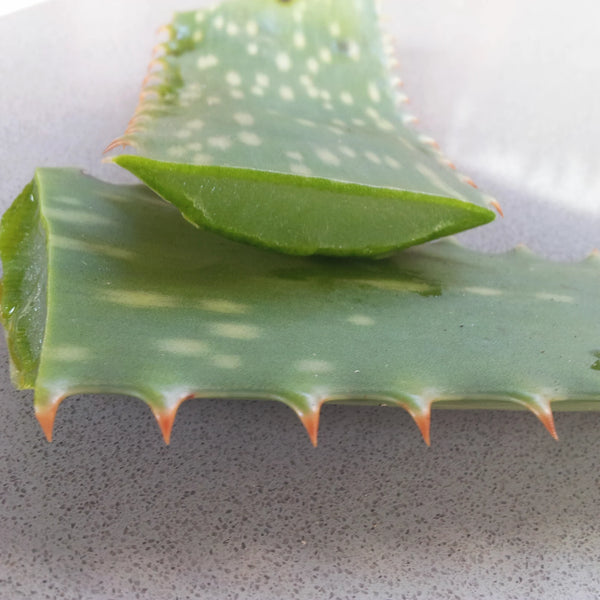
  • Aloe vera (leaf water, juice and extract)60% aloe vera leaf water replaces purified water as the base, to help tired-looking skin feel revitalized.

How to use it Shake well, then 2–3 drops over face and neck after toner, morning and night; sensitive skin starts every other night. Follow with a cream, and sunscreen in the morning. With the other Solution serums, this one goes last: Succinic, Vita C TRX, then Bakuchiol PDRN.

View product

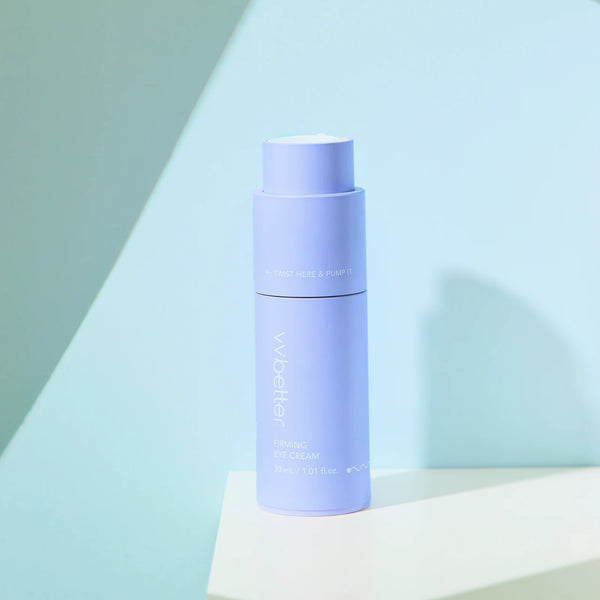
Amount 0.1% (1,000 ppm)

A low amount made for the thinner skin around the eyes, for eye-area skin that looks less firm and cannot take retinol.

Works with, in this formula

  • Peptide complexAn 8-peptide complex works on the firmness side alongside bakuchiol.
  • AdenosineAdenosine 0.04% (400 ppm), stable to light and heat, supports smoother-looking skin around the eyes.
  • SqualaneSqualane, glycerin, panthenol and sodium hyaluronate keep the eye area hydrated through the day.

How to use it Twist the top, press once, dot around the eye area and pat in, as the last skincare step morning and night. If the eye area is reactive, start with nights only.

View product

Part of the comfort complex in a rinse-off clay mask, so the skin does not pay for a deep clean. The amount is not disclosed and contact time is short.

Works with, in this formula

  • Kaolin and bentonite claysBritish kaolin 10.5% and American bentonite 4% take up oil and buildup; bakuchiol, squalane, panthenol and ceramide NP help skin feel balanced afterward.
  • Peptide complexA peptide complex sits alongside bakuchiol in the mask base.

How to use it On a dry face after cleansing, 10–15 minutes, avoiding the eyes and mouth; once a week for dry or normal skin, once or twice for oily skin.

View product

Questions people ask

Is bakuchiol as effective as retinol?

In a 12-week randomized, double-blind study, 0.5% bakuchiol twice daily gave similar visible improvements in wrinkles and pigmentation to 0.5% retinol once daily, with less stinging and scaling. Retinol still has much more research behind it, so think of bakuchiol as a gentler alternative rather than a stronger one.

Can I use bakuchiol in the morning?

Yes. Bakuchiol is stable in heat and light and less light-sensitive than retinol, so it can be used morning and night. Finish the morning routine with sunscreen.

Can I use bakuchiol with retinol?

You usually do not need both. If you choose to, keep them on separate nights and introduce bakuchiol gradually to avoid irritation.

What does 99% pure bakuchiol mean?

It describes the raw material, not the product. VVBETTER Firming Bakuchiol PDRN Serum is made with over-99%-pure bakuchiol and contains 1% (10,000 ppm) of it in the formula.

Is bakuchiol safe during pregnancy?

It is often marketed as a pregnancy-friendly alternative to retinol, but safety data are limited, and we cannot give medical advice. Please ask your doctor first.

Why do I need to shake the Bakuchiol PDRN Serum?

The formula is built to separate slightly at rest, and its natural colorants can settle. A few shakes bring it back together; it is not a defect.