The short answer
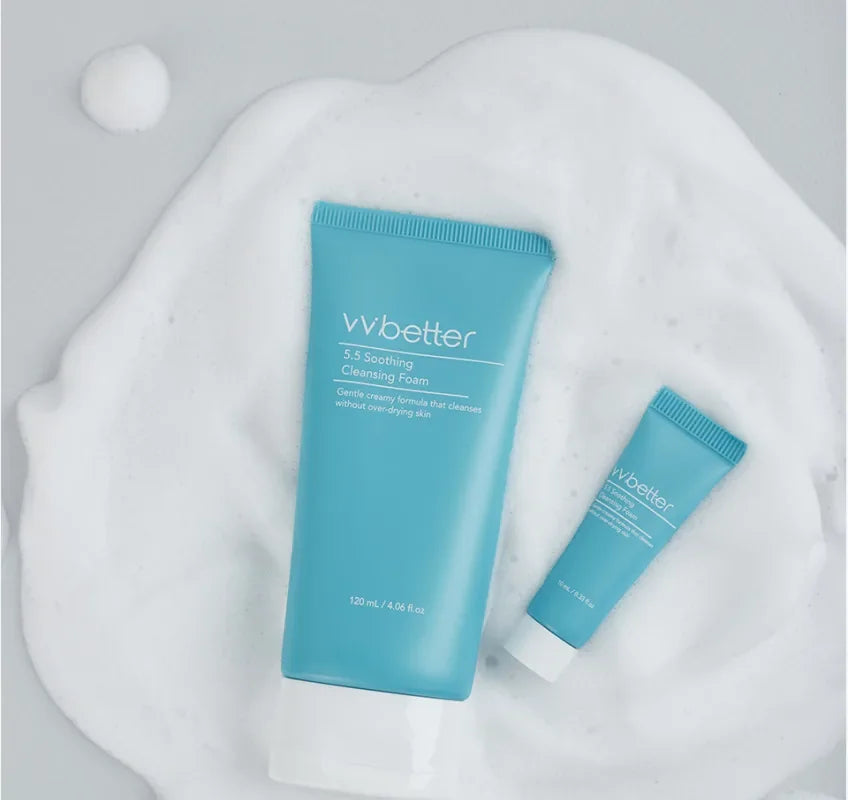
5.5 Soothing Cleansing Foam is a pH 5.5 foam cleanser made with coconut-derived cleansing agents (sodium cocoyl isethionate and sodium methyl cocoyl taurate) and 0.5% citric acid. Squeeze about 1–2 cm into wet palms, lather, massage for 1–2 minutes and rinse with lukewarm water, morning and evening. It is sulfate-free, 120 ml, and $9.99.
What it is and who it suits
This is the everyday cleanser of the Blue Line, VVBETTER’s base skincare line for dry, sensitive or dehydrated skin, built around hydration, soothing and the skin barrier. It is a foam, so it is a water-based cleanse: it lifts surface oil, dead cells and a light layer of makeup or sunscreen, and it rinses off. It suits you if:
- Your skin feels tight, squeaky or reactive straight after washing, and you want a gentler daily cleanser.
- You need a second cleanse after a cleansing oil in the evening.
- You want one cleanser for morning and evening.
It is listed for sensitive, dry, normal, combination and oily skin, and we suggest it from the teens onward. Extremely reactive skin should read the patch test section first.

Why pH 5.5 matters in a cleanser
Skin sits in a mildly acidic range. Many foaming cleansers are alkaline, which is part of why skin feels tight after washing. This foam is formulated at pH 5.5, so it cleans without pushing skin far from its own range. The 5.5 in the name is the pH; it is not a number of steps or a percentage. VVBETTER tags the foam LOW pH 5.5, SOOTHING, EXFOLIATION and GLOW, and describes the idea as a balanced blend of ingredients that stays gentle even on sensitive skin.
What is in the tube
The cleansing agents are the most important part of a foam. Here, the main ones are coconut-derived. The table covers the ingredients that matter most to a buyer; the full list is on the product page.
| Ingredient | Amount | What it is and why it is there |
|---|---|---|
| Sodium cocoyl isethionate (SCI) and sodium methyl cocoyl taurate | Not disclosed | Coconut-derived cleansing agents, known as mild cleansers that do not over-dry. They make a dense, creamy foam. The formula has no sulfates (SLS or SLES). |
| Potassium cocoate and potassium cocoyl glycinate | Not disclosed | Two further cleansing agents on the list, working with the first pair. |
| Citric acid (an AHA) | 0.5% (5,000 ppm) | A low, rinse-off level of acid that helps lift dead surface cells so skin looks smoother after rinsing. It is not a leave-on exfoliant. |
| Beta-glucan, hyaluronic acid, ceramide NP | Not disclosed | Hydrators and a skin-identical lipid, so skin feels hydrated afterwards rather than stripped. |
| Centella asiatica (cica) and tea tree extracts | Not disclosed | Centella asiatica for a soothing feel and tea tree, a plant extract included for skin that feels reactive. |
| Gypsophila root, willow bark, fig, dandelion leaf, calendula and rice extracts, with lotus flower water | Not disclosed | Further plant ingredients on the list. |
Two things the ingredient list is open about. It includes added fragrance, so the foam has a light scent. It also includes honey extract: if you avoid animal-derived ingredients, check the full list on the product page before you buy.

How to use it, step by step
- Wet your hands and your face.
- Squeeze about 1–2 cm from the tube into wet palms.
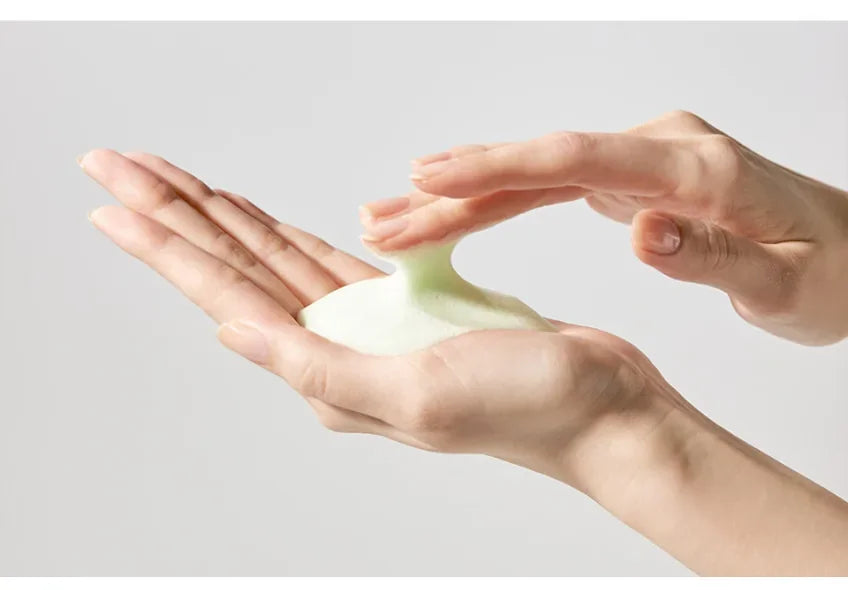
- Work it with a little water into a rich foam.
- Massage gently over the face for 1–2 minutes, avoiding the eye area.
- Rinse with lukewarm water.
- Carry on with toner, serum and cream, and sunscreen in the morning.
You can use it twice a day. If foam gets into your eyes, rinse with water. If you wore makeup or sunscreen, do the oil step first in the evening: the foam handles light makeup and sunscreen on its own, but for heavier makeup, use a cleansing oil first and the foam as the second cleanse.
Patch test and cautions
Because it contains citric acid, a very reactive skin should patch-test on the jawline for two nights and keep the foam away from the eye area. Then, from the label:
- If redness, swelling, itching or other irritation occurs during or after use, including after exposure to direct sunlight, stop use and consult a specialist.
- Do not use on broken or irritated skin.
- Keep out of reach of children, and store away from direct sunlight.
Use within 12 months of opening; the unopened product lasts 36 months from manufacture.
How it differs from the oil, the bubble cleanser and the toner

| Product | Where it sits | Main difference |
|---|---|---|
| Gentle Deep Cleansing Oil | First cleanse, evening | An oil that dissolves makeup and sunscreen; the foam is the water-based step after it. |
| Jeju Yuja Balancing Bubble Cleanser | Daily cleanser or second cleanse | A shake-and-pump foam, also pH 5.5, suggested for oilier skin and registered with the Korean MFDS as a functional cosmetic for skin prone to breakouts. |
| AHA Boosting Toner | After cleansing, before serum | A leave-on step with AHA 0.52% and BHA 0.1%. The foam’s 0.5% citric acid is rinsed away; used together, the two are still daily-use levels. |
The pairings are easiest to see in the oil guide, the bubble cleanser guide and the toner guide. The foam is the first step of the full Blue Line routine: foam, toner, serum, cream.
Quick answers
Does it remove makeup?
It is a water-based foam, so it handles light makeup and sunscreen on its own. For heavier makeup, use Gentle Deep Cleansing Oil first and the foam as the second cleanse.
Is there AHA in a cleanser?
Yes, 0.5% citric acid. It is a low, rinse-off level, not a leave-on exfoliant.
Does it have a scent?
Yes, a light added fragrance; fragrance is listed in the ingredients. If you prefer fragrance-free cleansers, check the full list first.
How much should I use?
About 1–2 cm from the tube into wet palms. The 120 ml tube is sized for daily morning and evening use.
Where to go next
- Gentle Deep Cleansing Oil guide: the first cleanse for makeup and sunscreen days.
- Jeju Yuja Balancing Bubble Cleanser guide: the other pH 5.5 foam.
- The Blue Line: the four-step base routine this cleanser starts.
- Cleansers: every cleanser in one place.
- Fragrance label reading: how to read the scent line on any ingredient list.