The short answer
Tranexamic acid (TXA) and vitamin C both help the look of dark spots and uneven tone, but they work at different points. TXA quiets one of the early signals that tells pigment cells to make more melanin; vitamin C is an antioxidant that also slows the enzyme that makes melanin. TXA is stable in water and usually gentle; pure vitamin C is strong but fragile and can sting. You do not have to choose: they work well together, and many brightening serums combine TXA with a stable vitamin C derivative.
Where dark spots come from
Skin colour comes from melanin, made by pigment cells called melanocytes and passed to the surface cells around them. Melanocytes make more when something tells them to: UV light, heat, the irritation left after a breakout, or hormones. A dark spot is simply an area where that message has been louder for longer.
That is useful to know, because brightening ingredients do not all act at the same moment. Some act on the signal, some on the enzyme that makes melanin, some on the handover of pigment to surface cells. Knowing which is which explains why TXA and vitamin C are partners rather than rivals. For the step-by-step version, see our tranexamic acid ingredient guide.
How tranexamic acid works
Tranexamic acid is a small, water-soluble relative of the amino acid lysine. It began as a medicine in the 1960s; its skin story started when clinicians in Japan noticed pigmentation looked lighter in some people taking it, and Japanese brightening cosmetics have used it since the early 2000s.
When skin is stressed, for example by UV, an enzyme system called plasminogen and plasmin becomes more active in surface cells and releases messengers that tell melanocytes to step up production. TXA resembles lysine closely enough to sit in the sites plasminogen uses, which helps quiet that cascade. In plain words: it works early, on the conversation between cells, rather than bleaching pigment that is already there.
- Stability: steady in water-based formulas; it does not brown in the bottle.
- Comfort: generally well tolerated, including by skin that finds strong acids or high-strength vitamin C uncomfortable.
- What it does not do: it does not exfoliate, and it does not remove existing pigment overnight. Marks fade as skin renews, so results build over weeks.
How vitamin C works
Vitamin C (L-ascorbic acid) is the skin's best-known antioxidant. It neutralises reactive molecules created by UV and pollution, it interferes with tyrosinase, the enzyme melanocytes use to make melanin, and skin needs it to build its supporting structure, which is why it is linked to smoother-looking skin.
Its weakness is stability. In water, pure vitamin C reacts with air and light and turns yellow, then orange and brown. It also works best at a low pH, which is part of why strong vitamin C serums can sting. Derivatives were developed to get around this. 3-O-ethyl ascorbic acid, for example, caps the fragile part of the molecule so it stays intact at the mild pH of an everyday serum.
Tranexamic acid vs vitamin C at a glance
| Tranexamic acid | Pure vitamin C (L-ascorbic acid) | Stable vitamin C derivatives | |
|---|---|---|---|
| Main role for tone | Quiets an early signal that triggers melanin production | Antioxidant; slows the melanin-making enzyme | Same character as vitamin C, gentler per percent |
| Stability in the bottle | High | Low: oxidises and browns | High |
| Typical comfort | Usually gentle | Can sting at high strength and low pH | Usually gentle |
| Extra benefits | Pairs easily with most actives | Antioxidant support, smoother-looking skin | Antioxidant support |
| Best for | Lingering marks, uneven tone, reactive skin | Dullness and antioxidant care, skin that tolerates acids | Adding vitamin C character to a gentle routine |
Which one should you choose?
- Choose a TXA-led serum if your main concern is marks that stay behind after breakouts or patchy, uneven tone, or if strong vitamin C has stung your skin before.
- Choose a pure vitamin C serum if your main concern is dullness, your skin is comfortable with low-pH products, and you are happy to store and use it quickly before it oxidises.
- Choose a combination if you want both: TXA for the signal, a stable vitamin C derivative for antioxidant support, and ideally niacinamide, which works later, on the handover of pigment to surface cells.
Can you use tranexamic acid and vitamin C together?
Yes. They do not cancel each other out, and because they act at different steps, formulators often combine them. If you use them as two separate products:
- Apply the thinner, water-based serum first, then the next one once it has absorbed.
- If your vitamin C serum is a strong, low-pH formula, you can use it in the morning and the TXA serum at night to keep things comfortable.
- Finish every morning with sunscreen. No brightening ingredient can outrun daily UV, which is the strongest signal of all.
Patch test any new active, and introduce one product at a time so you can tell what your skin is responding to. Our morning and evening routine order shows where each step fits.
How we use them in Vita C TRX
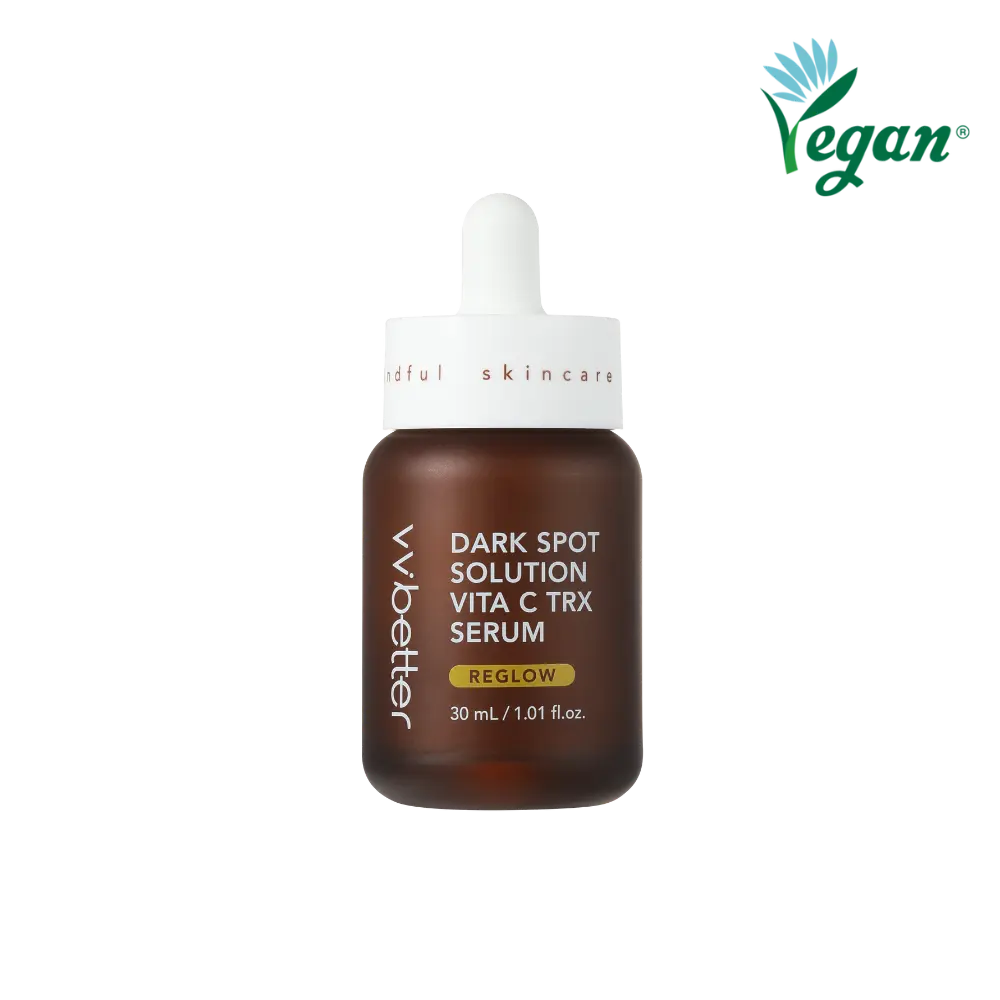
Our Dark Spot Solution Vita C TRX Serum is built on this logic. Tranexamic acid is the headline active at 3% (30,000 ppm). Vitamin C is present as a stable derivative in a small, supporting amount rather than as fragile pure vitamin C, alongside niacinamide and MELAWAY™, in a base of 72% sea buckthorn fruit water instead of purified water. Despite the name, it is not a 72% vitamin C serum; we explain the numbers in Is Vita C TRX 72% vitamin C?.
If you are choosing between our three serums, this guide compares them side by side, and the Vita C TRX guide covers how to use it.
Frequently asked questions
Is tranexamic acid stronger than vitamin C?
Not stronger, different. TXA works on an early signal in pigment formation and is stable and usually gentle; vitamin C is a powerful antioxidant that is fragile in the bottle. Which suits you depends on your skin and your main concern.
How long does it take to see a difference?
Marks fade as skin renews, so think in weeks, not days. Use the product consistently and protect your skin from the sun every day; a routine diary helps you judge fairly. See how to keep a routine diary.
Can I use tranexamic acid with retinol or acids?
TXA pairs easily with most actives. If you already use retinol or exfoliating acids, introduce the TXA serum on its own first, then combine, and reduce frequency if your skin feels irritated.
Is tranexamic acid safe for sensitive skin?
It is generally well tolerated, which is one reason it is popular for reactive skin. As with any new product, patch test first. If you are pregnant, breastfeeding or under treatment for a skin condition, ask your doctor before adding new actives.
Cosmetic information, not medical advice. Results vary from person to person.