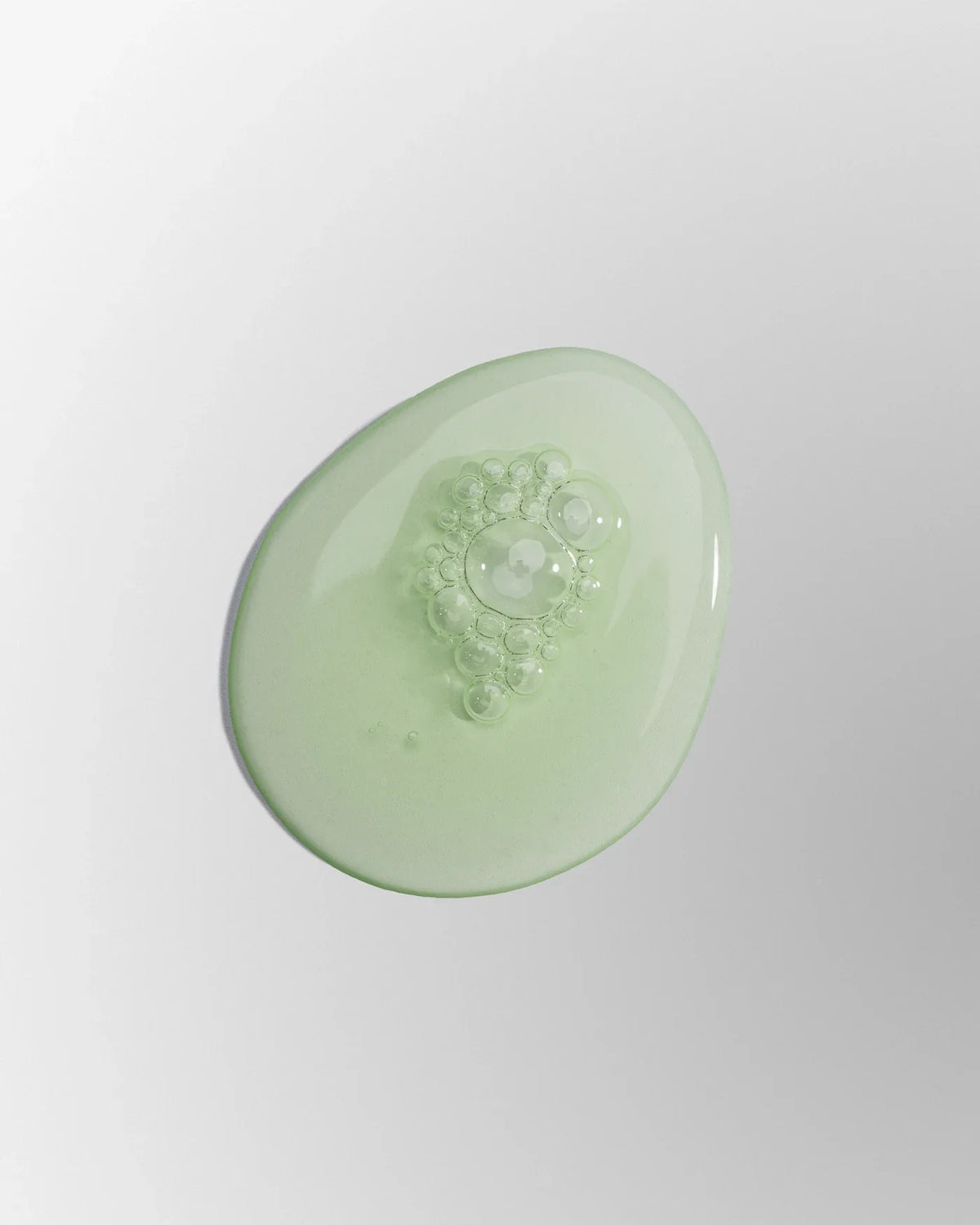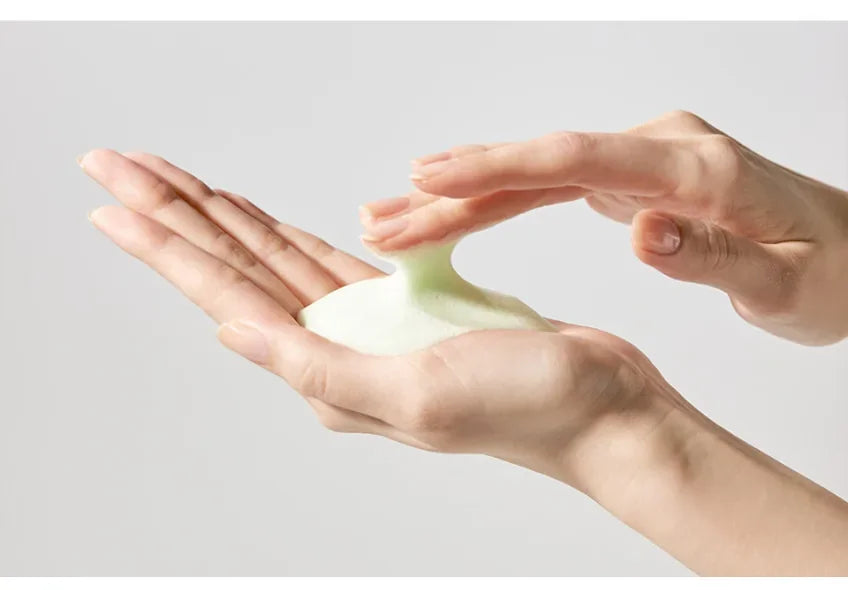

The short answer
A routine diary is a few lines a day about what you used, how much, and how your skin felt: a record that helps you decide what to keep, scale back or ask about. It is not a countdown. There is no honest date on which a skincare routine is “supposed” to have worked, so we do not give one, and you should be wary of anyone who does.
Why there is no results deadline
People often search for how long skincare takes to work, and the honest answer is that it varies from person to person. Your skin responds to the weather, your sleep, stress, travel, hormones, makeup and every other product you use. A calendar cannot separate those from the one new serum you started on Monday. The directions on our products tell you how to use them and how often; none of them is a promise that something visible will happen by a certain day, and individual experience varies.
What a diary can do is more modest and more useful. It shows you what you actually did, instead of what you remember doing. It makes patterns visible: the days your skin felt tight line up with the nights you used the toner twice, for example. And it gives you something concrete to bring to customer care or to a clinician if you have a question.

What to write down
A diary is a small piece of mindful skincare: you slow down, look, and record what you did. Keep the entries short enough that you will still write them in a month. These fields cover most of what matters.
| Field | Example entry | Why it helps |
|---|---|---|
| Date and time of day | Tue, evening | Separates morning from evening routines |
| Products, in order | 5.5 Soothing Cleansing Foam, AHA Boosting Toner, Teca Lifting Moisture Serum, Teca Lifting Moisture Cream | Shows exactly what was on your skin together |
| Amount | Foam 1–2 cm; serum 2–3 drops; cream pea-sized | Reminds you that the directions, not “more”, set the amount |
| How it felt going on | Serum light, a little tacky; cream absorbed quickly | Texture and scent are the first things you can judge fairly |
| How skin felt later | Comfortable at lunch; a little tight by evening | Comfort across the day is easier to compare than appearance |
| Anything else that changed | New shampoo, long flight, no sleep, cold weather | Keeps you from crediting or blaming the wrong product |
Base first, then extras
It helps to group your notes by the role each product plays. The Blue Line is VVBETTER's base skincare for dry, sensitive or dehydrated skin (foam, toner, serum, cream), so write those first: they are the steps you repeat every day, and they are the constant you compare against. Products from the Purple Line, the extra skincare for firmness and elasticity (eye cream, oil cleanser, masks), go on their own line on the days you use them. Steps from the Green Line (Jeju Yuja, which purifies and balances oily, combination or sensitive skin) get their own line too. If something feels different, the notes then show whether it followed a base step or an added one.
You can write this in a notes app. Leave out personal health details you would not want to keep in one place; the entries are about products and sensations, not medical records.
A one-minute template
The dot above the V in VVBETTER stands for a moment of focus, and this template asks for about one minute of it. Copy the format below into any notebook or phone note and fill it in after your evening routine.
- Used: products in order, amounts
- Felt on application: texture, scent, sticky or not
- Skin an hour later: comfortable, dry, tight, warm
- Different today: anything outside the routine
- One line: keep, change, or ask
If you take photos, use the same spot and the same light, and keep them as private notes. Phone cameras, bathroom lighting and a tan all change how skin looks, so a photo is weak evidence of any product. Please do not describe your photos as proof that a product works when you share them; that is not something a routine diary can show.

How to read your notes
Look back once a week rather than every day, and read for patterns in comfort and use.
- Count what you actually did. If the notes show you used the toner three times, not seven, that is the routine you are judging.
- Look for the first thing that changed. If tightness started the evening after a new product, note the product, not the date alone.
- Judge one product at a time. If you started two things in the same week, the notes cannot say which was responsible. Next time, add one.
- Compare like with like. Same time of day, same lighting, similar days.
- Decide: keep, change or ask. A routine that is comfortable and easy to repeat is a good result by itself.
When your notes say “change something”
If the same discomfort appears several times, act on it instead of waiting. Reduce the frequency of the newest product (an acid toner or serum can go to every other day), pause it, or return to a cleanser and a moisturizer for a while. If you see redness, swelling or itching, or anything that feels like more than mild tightness, stop using the product and consult a clinician or skin specialist; the label says the same and also asks you not to use products on broken or irritated skin.
When you contact us at customer care, send your order number, the product name, how you used it and what you noticed. A few lines from your diary make that conversation faster. Please note that our return policy covers unused, unopened items within 30 days, and opened or used skincare cannot be returned for hygiene reasons unless it arrived damaged, defective or incorrect, so the FAQ and the product page are worth reading before you open a product.

Quick answers
How long until I see a difference?
There is no fixed answer, and we do not set one. Some people notice a texture or comfort difference on first use, and others notice nothing they can describe. Visible changes, if any, vary with the person and the product. Keep using the directions as written, keep your notes, and judge by comfort first.
Should I take before and after photos?
If it helps you, keep them private and use identical lighting. Do not read them as a measurement. A diary of what you used and how skin felt is more reliable than a pair of photos taken weeks apart.
Can the diary help if I need support?
Yes. It lets you say exactly which products you used, in what order, and what you noticed, which is what customer care or a clinician needs. Our after-purchase page explains what to do after you receive an order.
Where to go next
- Your first week with a new product — a patch-test and introduction plan to pair with your diary
- A routine, not a rulebook — how to build a routine you can repeat
- Teca Lifting Moisture Serum — the Blue Line base serum, with 8 types of peptides, hyaluronic acid and centella asiatica; used in the example entries above
- 5.5 Soothing Cleansing Foam — the low-pH (5.5), soothing cleansing step in the sample routine
- The Blue Line — base skincare for dry, sensitive or dehydrated skin: foam, toner, serum and cream, with the full directions on each page