
The short answer
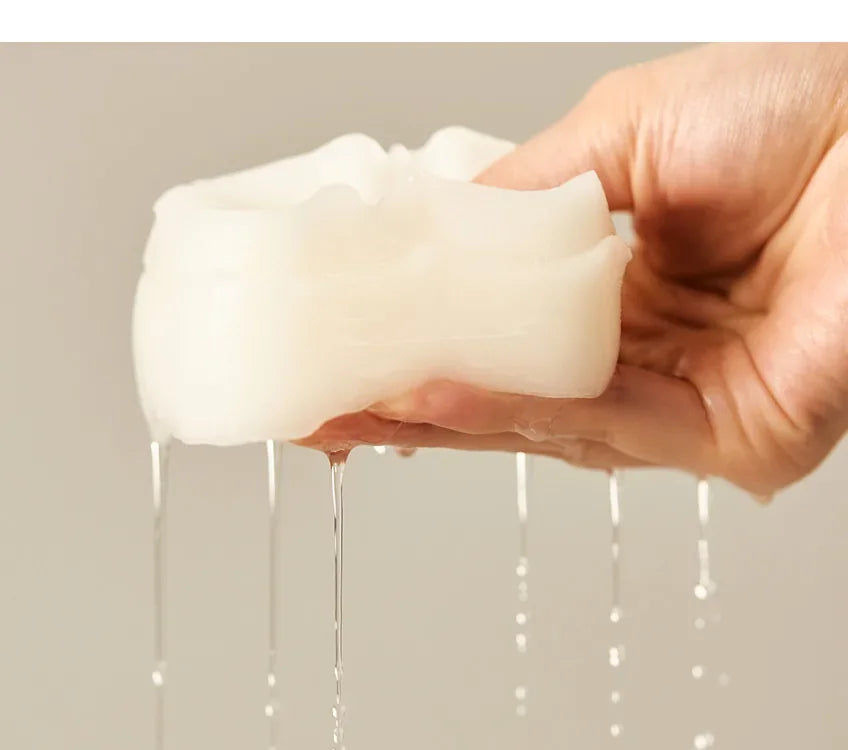
A toner pad and a liquid toner can do the same job; the difference is how you use them. Pads are pre-soaked, portion-controlled and easy to take anywhere, and many can double as a short leave-on mask. A bottled toner gives you control over how much you use and where, and usually costs less per use. Pick the format you will actually use twice a day, then check the acid type and amount on the label.
What a toner does in a Korean routine
In a Korean routine, toner is the step between cleansing and serum. It takes off what the cleanser left behind, brings back water to skin that feels tight, and, if it contains a mild acid, loosens dead surface cells so the skin feels smoother. Most toners today do some mix of those three jobs. Whether that liquid comes in a bottle or on a pad matters less than what is in it.
Toner pads vs toner at a glance
| Toner pads | Liquid toner | |
|---|---|---|
| How you use it | Lift one pad, wipe, done | Pour onto a cotton pad or your palms |
| Amount per use | Fixed by the pad | Up to you |
| Leave-on mask | Often yes, for a few minutes | Only with separate cotton or sheet |
| Travel | Easy, especially in single pouches | Needs a leak-proof bottle |
| Cost per use | Usually higher | Usually lower |
| Waste | One pad per use | Cotton pad per use, unless you use your hands |
When toner pads make more sense
- You skip toner because it is one more bottle. A jar of pads takes the pouring and the cotton out of the step, which is often the difference between using toner and not.
- You want a quick calm-down step. A soaked pad can rest on the cheeks or forehead for a few minutes before you take it off and pat in what is left.
- You travel or go to the gym. Sealed pouches do not leak in a bag.
- You tend to overdo exfoliation. One pad is one dose. It is harder to scrub too hard or too often.
When a liquid toner makes more sense
- You want to treat areas differently. More on an oily T-zone, less on dry cheeks.
- You want the lowest cost per use. A large bottle used with your hands stretches furthest.
- You like to layer. Pressing two thin layers of toner into the skin is simpler from a bottle.
Read the acid before the format
Whichever you choose, the label tells you more than the format does. Exfoliating toners and pads usually use one of three acid families:
- AHA such as lactic and glycolic acid: water-soluble, for a dull or rough surface.
- BHA such as salicylic acid or betaine salicylate: oil-soluble, for congested-looking pores and surface oil.
- PHA such as gluconolactone: a larger molecule that works more slowly at the surface, often chosen for sensitive skin.
Look for the amount as well as the name. A daily-use toner usually sits well under 1% total acid; a weekly peel is a different product. If the brand does not tell you how much acid is in it, you are guessing. Our ppm vs percent checklist helps you read the numbers.
How to use either one
- Cleanse, and leave the skin slightly damp.
- Wipe from the centre of the face outward, with light pressure. Keep away from the eyes.
- Do not rinse. Go straight on to serum and moisturiser.
- If it contains AHA or BHA, finish every morning with sunscreen.
- Patch test first, and do not stack several exfoliating products on the same night.
Our two options
We make one of each, so here are the numbers side by side.
AHA Boosting Toner (200 ml, $23.99) is a wipe-off liquid toner with mild AHA and BHA: lactic acid 0.45%, glycolic acid 0.07% and betaine salicylate 0.1%, 0.62% in total, at pH 5.5, with centella, chamomile and hyaluronic acid. Use it on a cotton pad, morning and evening. It suits skin with a rough or dull surface that wants a daily, not weekly, exfoliating step. The full toner guide shows every amount.
Jeju Yuja Balancing Pad (120 pads, $28) uses a low level of PHA (gluconolactone) with zinc PCA, Jeju yuja extract at 1,000 ppm and MOISTURE TM B at 0.5%. Wipe with it after cleansing, or leave a pad on for 3–5 minutes as a quick pack. At one pad morning and night, the jar lasts about 60 days. It is certified by the Korea Vegan Certification Institute and written for oily, combination and sensitive skin. See the pad, two ways. Not sure yet? The mini set has 10 pads in 5 pouches for $6.75.
Use one or the other in a routine, not both. If you want help choosing, the 60-second skin quiz builds a short routine around your skin.
Frequently asked questions
Are toner pads better than toner?
Neither is better in itself. Pads are more convenient and portion-controlled; a liquid toner is more flexible and usually cheaper per use. The acid type and amount matter more than the format.
Can I use toner pads every day?
Yes, if the acid level is made for daily use and your skin is comfortable. Cut back to every other day if you notice stinging or tightness.
Can I use a toner pad and an exfoliating toner together?
We would not. Two acid steps in one routine add up quickly. Choose one, and keep stronger exfoliants for separate nights.
Do toner pads replace a cleanser?
No. A toner pad is a step after cleansing, not a way to remove makeup or sunscreen.
Cosmetic information, not medical advice. Results vary from person to person.

