The short answer
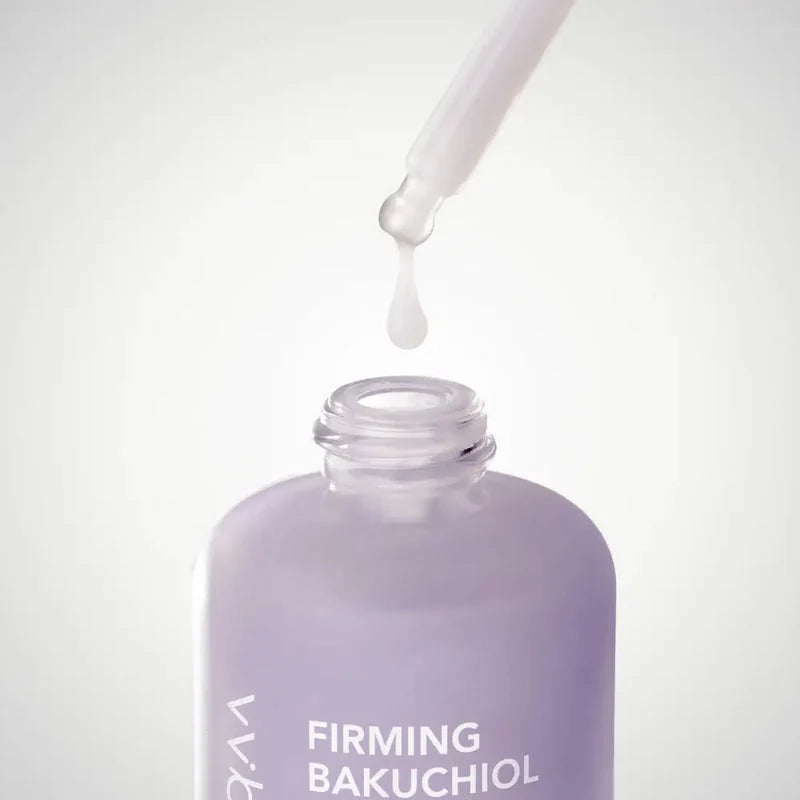
Firming Bakuchiol PDRN Serum is the REWIND serum, a 30 ml dropper serum for all skin types and specially for aging skin: skin that looks less firm, with fine lines or a dull, tired look. Its key points are vegan PDRN, bakuchiol, aloe vera water and adenosine: bakuchiol 1% (10,000 ppm), a plant-derived ingredient used in place of retinol, and a 2% (20,000 ppm) vegan PDRN complex from marine plants, on 60% aloe vera leaf water. Shake well, then use 2–3 drops after toner, morning or night.
What it is and who it suits
This is the REWIND serum in the Solution Series, and the brand groups it with the Purple Line, the extra-skincare line for vitality, elasticity and regeneration. Most firming serums lean on retinol, and most PDRN comes from salmon. This one was built for people who stopped at either of those: it contains no retinol and no animal-derived ingredient, and it is vegan certified.
It suits you if you want a daily serum for:
- skin that looks less firm than it used to;
- fine lines that show in strong light;
- a dull or tired-looking surface that you would like to look smoother and more radiant;
- skin that wants comfort and hydration as well as active ingredients. The serum is for all skin types, and the formula is specially for aging skin.
We suggest it from your late 20s. Elasticity and a firmer-looking surface are the point: the aloe water hydrates, while bakuchiol and adenosine are there for skin that looks bouncier and smoother.

PDRN and bakuchiol in plain language
PDRN stands for polydeoxyribonucleotide, a nucleotide-based ingredient that is usually taken from salmon. Here it comes from marine plants. The ingredient is AIO MARINE PLANT PDRN, a patented complex from the ingredient supplier (supplier patent No. 10-2249241), included at 2% (20,000 ppm) of the complex raw material. That last phrase matters: the 20,000 ppm describes the whole complex, not pure PDRN. We explain the arithmetic in what 20,000 ppm actually means. Its job here is to support the skin barrier and regeneration-focused care, from a plant source.
Bakuchiol is a plant-derived ingredient taken from the seeds of the Indian babchi plant. People often reach for it in place of retinol, and it is described as less irritating than retinol and more stable in heat and light. The formula has 1% (10,000 ppm). You may see "99%" quoted: that is the purity of the raw ingredient, not its concentration here. Our note on bakuchiol purity goes through it.
Bakuchiol is not retinol, and we do not claim that it performs identically. It is a different ingredient chosen for a role that retinol often plays.
What is in the bottle
| Ingredient | Amount | What it is | Why it is in the formula |
|---|---|---|---|
| Aloe vera leaf water | 60% (600,000 ppm) | Water from the aloe vera leaf | Base, in place of purified water: a hydrating, refreshing start for the formula. |
| AIO MARINE PLANT PDRN (patented ingredient) | 2% (20,000 ppm, complex raw material) | A vegan PDRN complex from marine plants | The PDRN, without salmon. |
| Bakuchiol | 1% (10,000 ppm) | Plant-derived, from babchi seeds; raw material over 99% pure | Used in place of retinol. |
| Adenosine and niacinamide | 20,400 ppm combined | Adenosine occurs naturally in the body; niacinamide is a form of vitamin B3 | The MFDS-listed ingredients behind the formula's functional cosmetic notification (wrinkle improvement and brightening). |
| Plant squalane | 100 ppm | A light plant-derived oil | For skin that looks smoother and feels supple. |
| EGF complex | Listed, amount not disclosed | Peptides (oligopeptide-1, -2, -3, hexapeptide-11) with sodium hyaluronate | For a smoother, supple look. |
| Edelweiss callus culture extract | Listed, amount not disclosed | Often called "phyto placenta"; a plant ingredient, not an animal one | For a smoother, more radiant look. |
| Ceramide NP, madecassoside, asiaticoside | Listed, amounts not disclosed | A skin-identical lipid, and two compounds derived from centella | For the feel of a comfortable skin barrier. |
The firming actives (bakuchiol, the PDRN complex, plant squalane, adenosine and the EGF complex) are 30,500 ppm in total. The formula contains natural colourants, so you may notice the colour separating at rest or lightening if the bottle sits in light. That is expected and does not affect quality. The formula has completed a skin low-irritation test.
How to use it: shake, then 2–3 drops
- Shake the bottle well. The formula is built to separate slightly at rest; a few shakes bring it back together. We wrote about this in why you shake the PDRN serum.
- Cleanse and tone. Apply to clean skin after toner.
- Draw up and dispense. Squeeze and release the rubber bulb, then place 2–3 drops on your face and neck.
- Press in. Pat gently over face and neck until absorbed.
- Seal with a cream. In the morning, add sunscreen. Bakuchiol is less light-sensitive than retinol, but sunscreen is still recommended.

You can use it daily, morning and night. Sensitive skin, or new to bakuchiol? Start every other night and build up. Store it in a cool place away from direct sunlight and use it within 12 months of opening.
Patch test and cautions
Patch-test on your jawline for two nights before full-face use if your skin is sensitive or you have not used bakuchiol before. Stop using the serum and consult a specialist if redness, swelling or itching occurs, including after sun exposure. Keep it away from broken skin and out of reach of children. "Retinol-free" does not mean "suits everyone". If you are pregnant or breastfeeding, ask your doctor before adding it: this is a cosmetic, not a medicine, and we cannot give medical advice.
If you layer it with the other Solution serums, avoid other brands' high-strength AHA or BHA products in the same routine.
What goes before and after it
The order is cleanser, toner, Bakuchiol PDRN serum, cream, then sunscreen in the morning. Before it, your cleanser and toner. After it, a cream: Teca Lifting Moisture Cream is a natural match, and the Firming Eye Cream covers the eye area, which we suggest keeping as a separate step. When you use all three Solution serums, this one goes last: Succinic, then Vita C TRX, then Bakuchiol PDRN, 2–3 drops each. Very sensitive or thin skin should use one serum per routine.
Bakuchiol PDRN or another Solution serum?
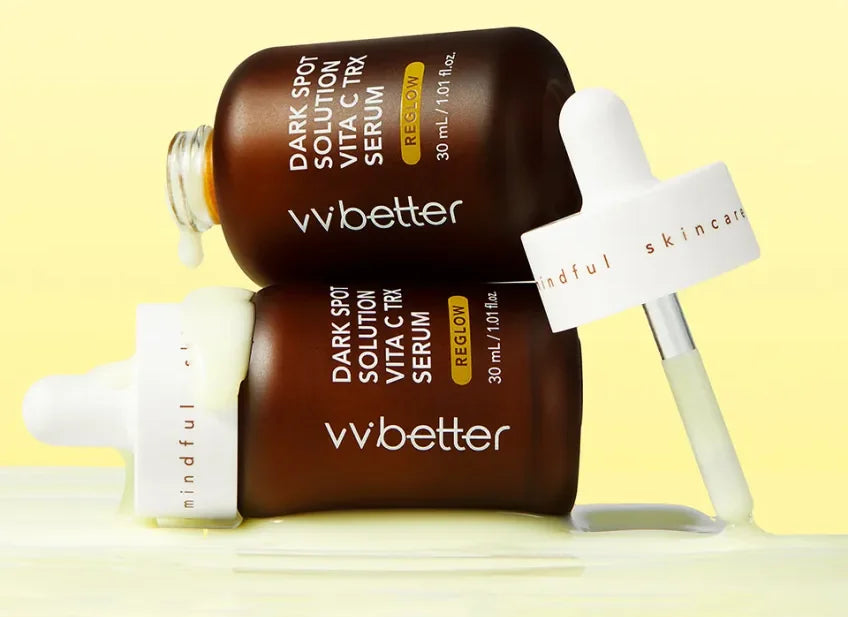
- Dark spots and uneven tone suit Vita C TRX, built on tranexamic acid.
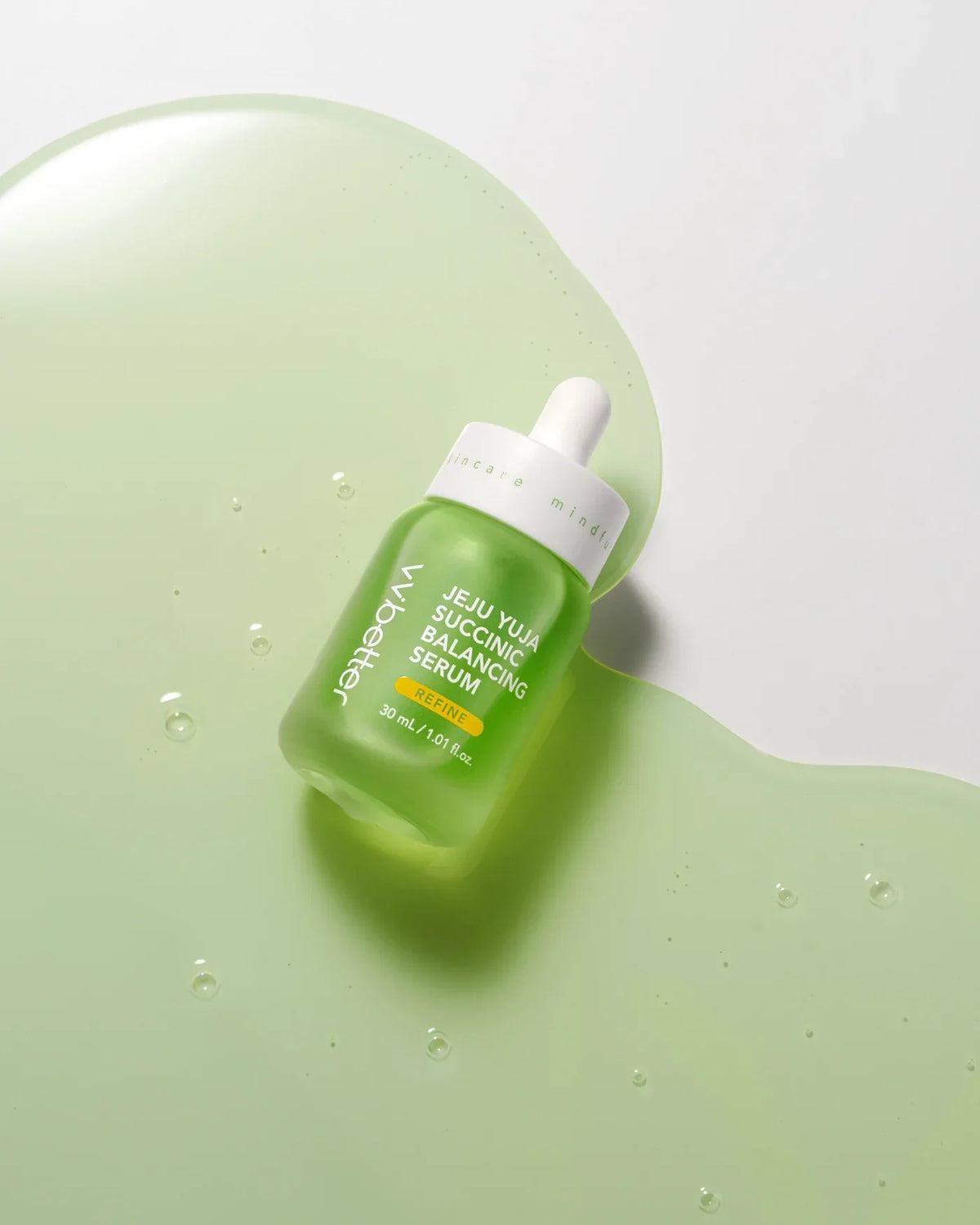
- Oil, shine and congested-looking texture suit Succinic, the REFINE serum.
- Firmness, fine lines and a dull surface are what this serum is for.
The three-serum comparison lays them side by side.
Like every VVBETTER formula, this one is made in Korea and went through at least six months of development, in the spirit of mindful skincare that supports long-term skin health.
Quick answers
Is bakuchiol the same as retinol?
No. Bakuchiol is a different, plant-derived ingredient often used in place of retinol. This formula contains no retinol.
Why does the colour look uneven?
The serum contains natural colourants and separates slightly at rest. Shake it before use. The colour can also lighten if the bottle is left in light, which does not affect quality.
Can I use it with Vita C TRX?
Yes. Use Succinic first if you are using it, then Vita C TRX, then this serum, 2–3 drops each. Very sensitive or thin skin should choose one serum per routine, for example Succinic in the morning and this serum at night.
Is "phyto placenta" an animal ingredient?
No. It is the common name for edelweiss callus culture extract, which is plant-derived.
Is it only for mature skin?
No. It is for all skin types and specially made for aging skin, which is why we suggest it from your late 20s. Younger skin that is dry or dull-looking can use it too, and sensitive skin should start every other night.
Where to go next
- Firming Bakuchiol PDRN Serum: the product page and full ingredient list.
- Bakuchiol: more on the ingredient.